Photography
Pushing Pixels
This was a series of animated photos that explored what happens when a photo is edited to the point that it ceases being photographic. The subject matter of the photos are sculptures and objects each produced using a sheet of 8.5 x 11 printer paper. This was intended as an online piece for the CCAM Maquette and was included in their 2nd issue; an archived version is on their website.
Images And Poems
When is an image a photograph
and when is it merely photographic?
Is there a point at which
A photograph is edited
and becomes
something other than a photograph?
What does that point look like
And how do I find it?

An image does not need to be made,
it can be found, it can be discovered.
The birth of an image is an observation.
A stain on the wall is the virgin mary -
yesterday's refuse becomes sacred
simply by being seen and described

The image is a cadaver,
a husk of a moment.
It is what remains,
seeking no purpose
having no intent
eternally vigilant
valiant
willing to fight,
but it is a mercenary animal.
It does not care about you.

A pareidolia is when the brain sees
what the mind knows is not there.
It is when clouds become dragons
and long shadows form monsters.
It is what happens when nothing happens,
the invention of time and memory,
the manifestation of humanity,
we will see what we need to see.
What is there is mere coincidence

When is black on a screen
merely black?
And when is it a picture,
waiting
for the brightness to be adjusted

I want to want less
so that I can get what I want.
An image wants nothing
and so becomes everything

We don't see the world, most of the time.
Or rather, we see what we see, but
remember only a description.

An image is an envelope
inside of which is dust
insignificant, insubstantial
so small that it has no weight
so soft that it has no edge.
For out of it wast thou made;
The fabric of all creation

Is it possible that an image is not a thing
but a rhythmic rocking back and forth
between being and unbeing?
An image is becoming

My eyes are elaborate lenses
that use fluid and muscle
to shape light into lasers
striking my neurons,
firing in sequence,
ordering
pinpricks of color into
objects capable of wounding.
Is everything I see something to fear?
Is it possible that all vision
is a warning?
Is that why images
are to be feared?

I have never been seen
but I have been captured and
my likeness has been disseminated

I am widely known
by a moment in time
that has passed.
And there are many such moments
that refuse to be forgotten

My phone knows my face
better than I do.
The algorithm inside it
does a better job of recognition
than my mind.
Because when I look in the mirror
it is always an act of discovery
where I do not see myself,
only the ways that I have changed

Video Game Photos
These are all photos taken from within video games using a wide variety of approaches.
Road Trips
Info
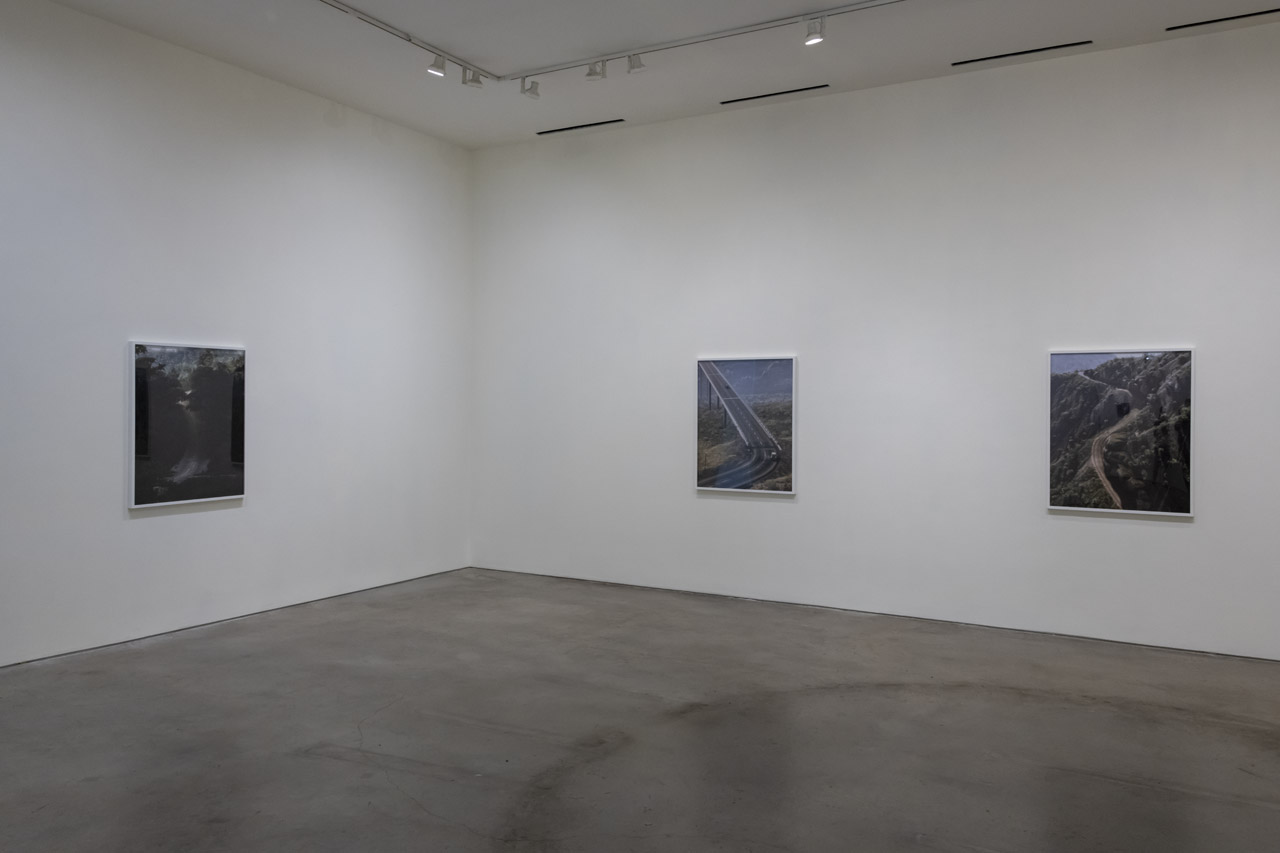
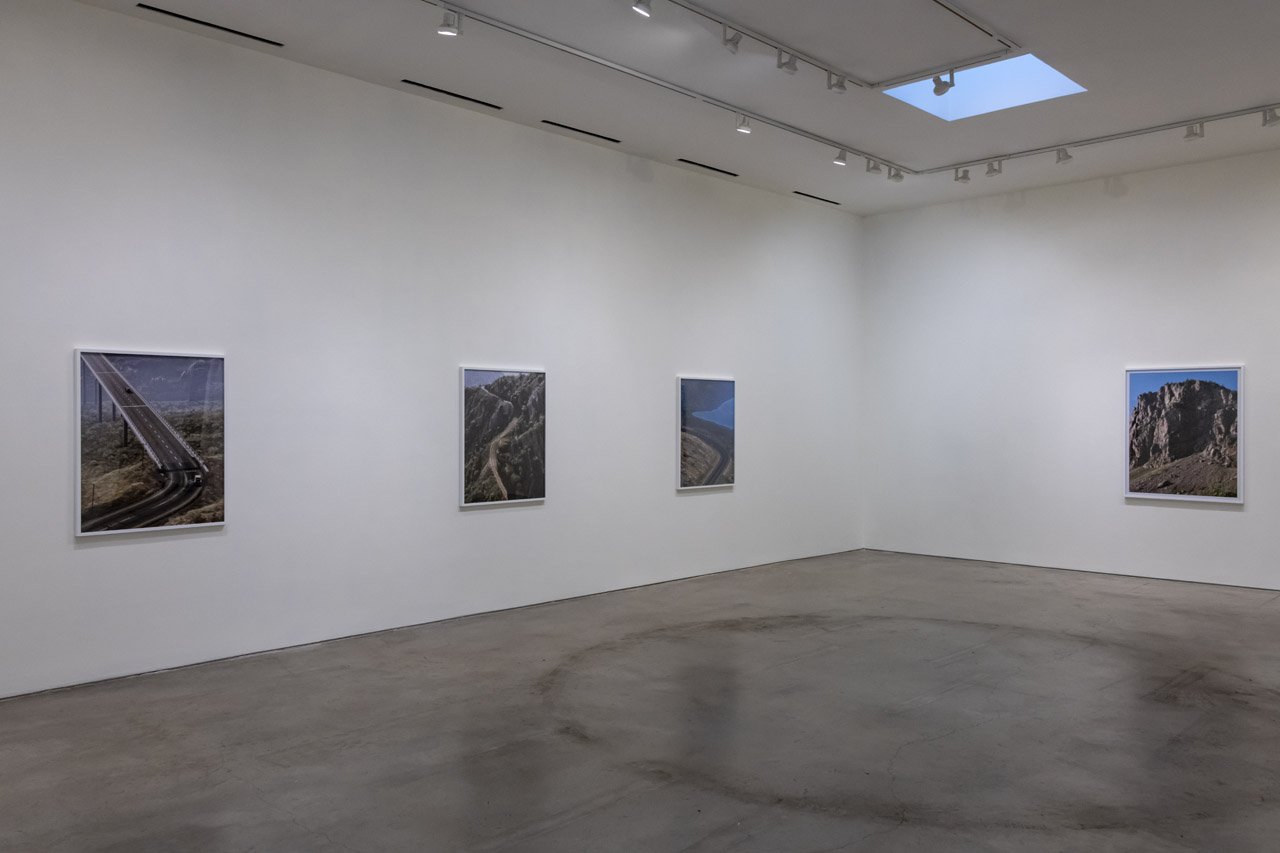
For this show, Justin Berry includes photographs taken from within video games. Normally, taking a photograph is something that happens twice, once in the eye of the photographer and once through the mechanism of the camera. With the photographs that Berry takes from within a video game, that duality collapses. When he takes these photographs the camera and the gaze are the same, because the eye of the avatar is the camera itself. Here, the player becomes the apparatus that takes the picture. Duality is no longer about the camera and the eye but about the player and the played, the human and virtual creation whose senses they occupy. Berry tries to reduce the distance between those two things, to find agency and meaning within the virtual worlds that he inhabits and to play the game not as a character written into someone else's story, but as himself, and on his own terms.
Additionally, Berry includes a single photograph taken from a road trip in Nova Scotia. Both the virtual photos and the physical one were taken while on a journey, both were captured in stages, combining dozens, or hundreds, of images for each picture. The only differences between the pictures are the places they were taken, the roads that were driven along to find them, and the lens through which the artist captured them. Hanging them together, Berry explores what draws them together as well as what sets them apart.
Press
Images




the dust never settles
Info
There is a sensation of falling as the sky shifts from blue to purple, from purple to orange, from orange to black. It is followed by a feeling of settling into place and landing, the gentle mental thud of remembering something that has been seen before.
There are times and places that become part of our memory and our identity, such as watching the sky at dusk with someone, on a hillside that you have climbed together. Returning to that spot over the years reminds you of the experience and it takes you back to that moment, but never for real. Trees have grown, winds have eroded the soil, the flowers that you can smell are descendants of the ones you smelt before. We do not return to that spot because the moment can be fully recovered; we return because it cannot.
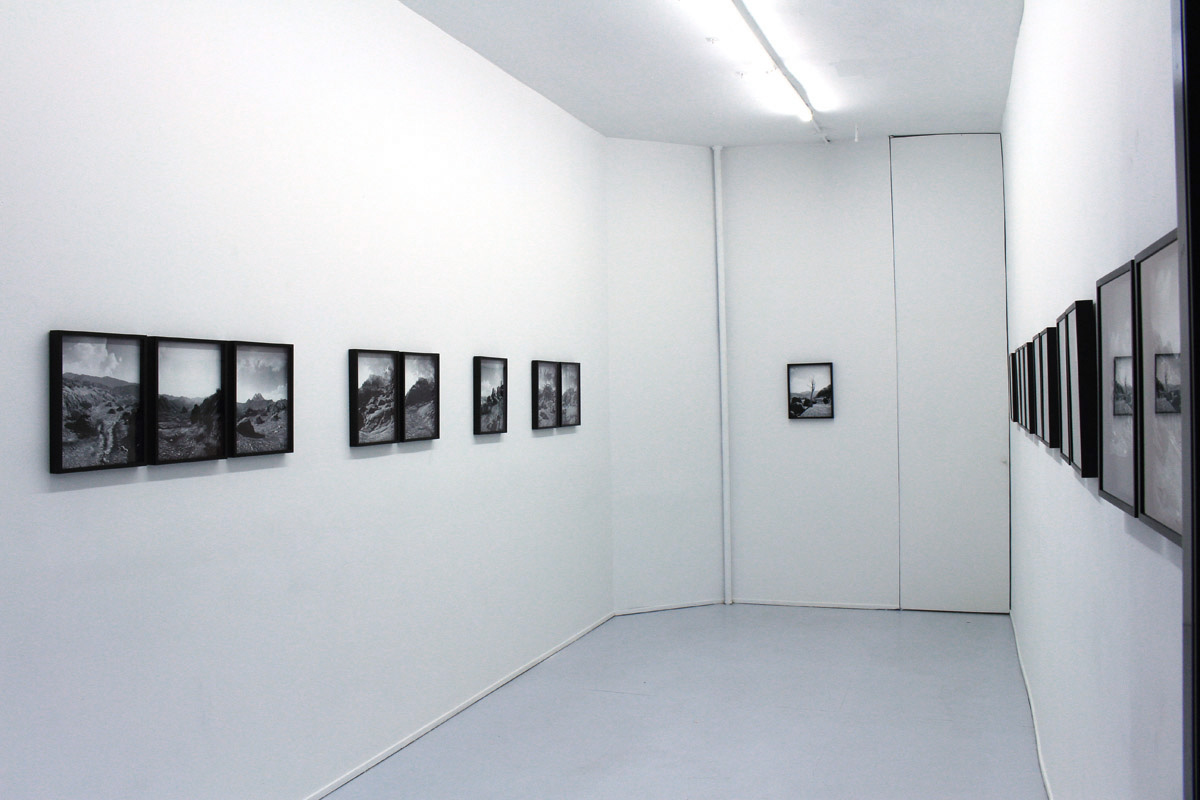
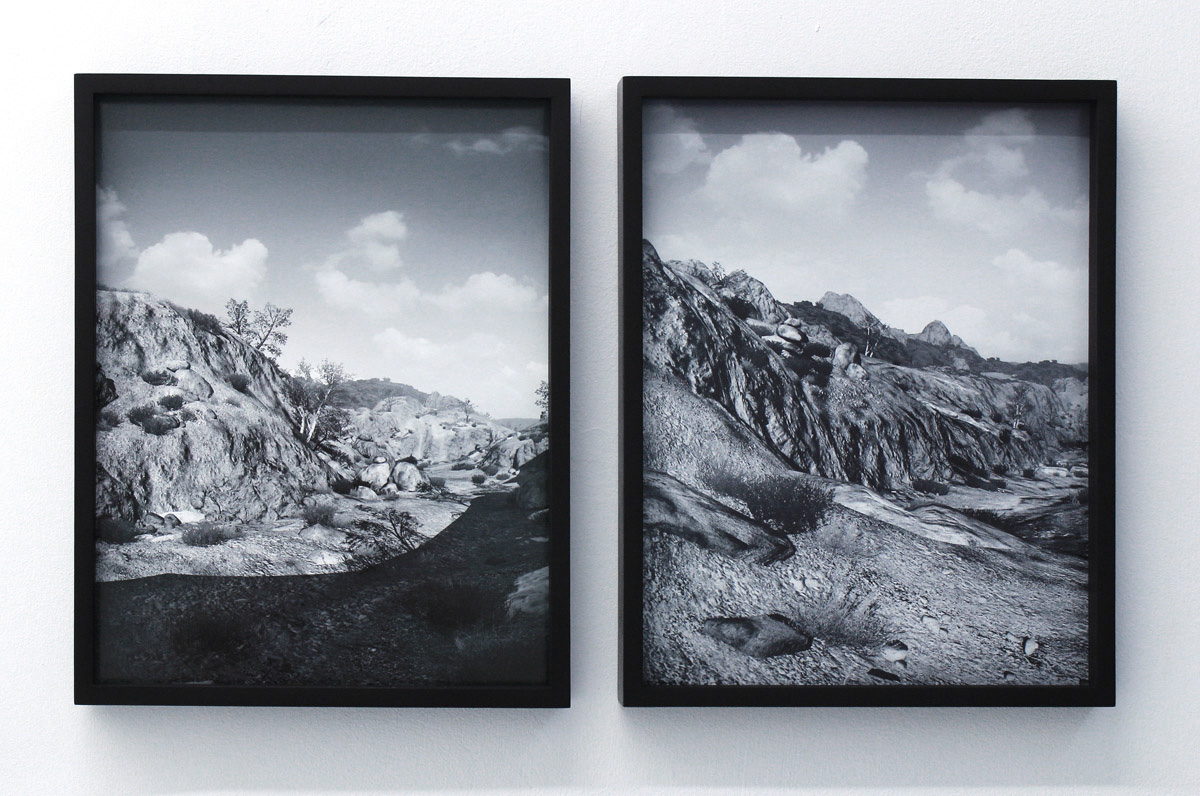
Shah-i-kot Valley can be returned to, to the very same day that was visited before, at least as it exists in a video game. The same dust drifts down from the same village that is still burning. Ashes rain from the sky, for hours, for days, for years, for as long as the game is played. In the virtual world, there is never a new dawn or a new sunset; blue and purple and orange and black are colors that hover forever along an interminable gradient.
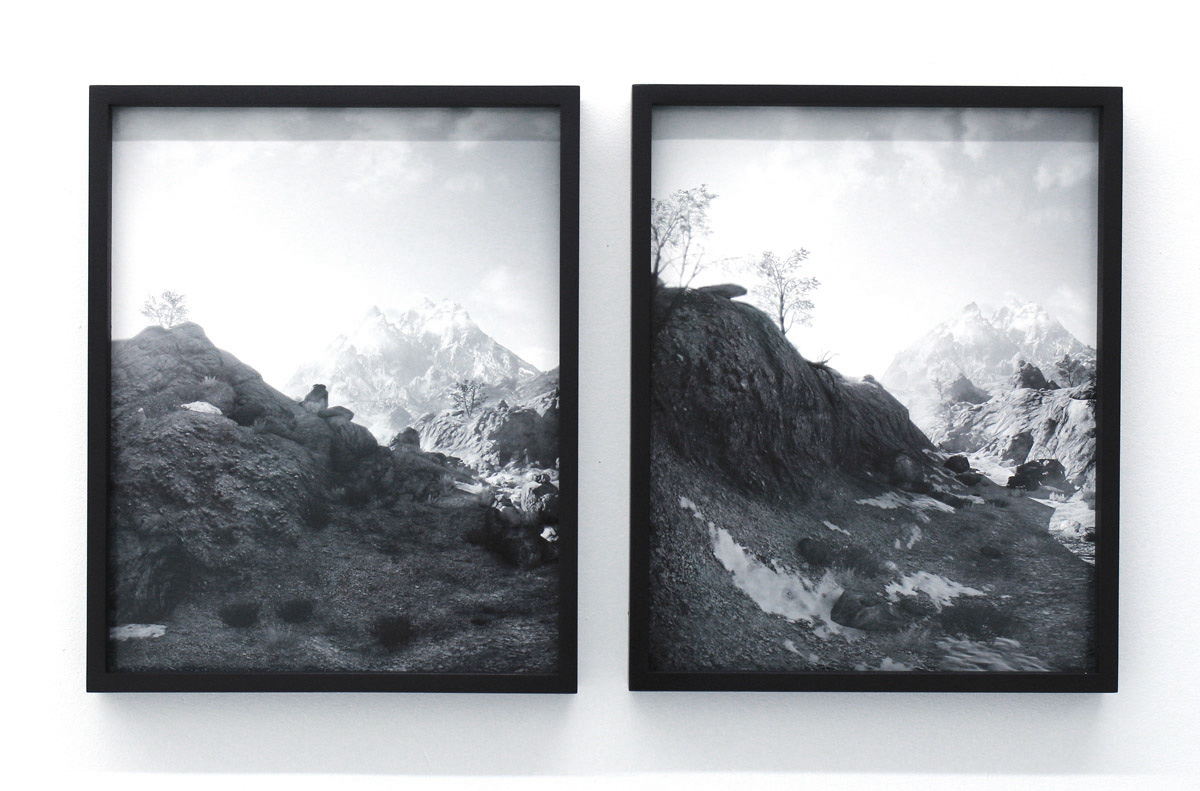
As part of an ongoing project, Justin Berry has returned to the Shah-i-kot Valley on various occasions. For this show, Berry arranges photographs taken over a seven year period, side by side, so that images from 2012 sit next to those from 2013 and 2017. Throughout those years the outside world has seen new wars, new political movements, and new disasters, but in these photos the mountain is always in the distance, the clouds inevitably return, the dust never settles.
Images




Photographs
Info
Over the course of the shoot, in order to get the pictures he wanted, Justin Berry had to kill more than one person. He was forced to wander the woods and kill wild animals for their meat and skin, crafting the equipment he needed to survive. At one point he even had to kill a tiger with only his belt knife.
That these experiences took place within a video game does not render them without relevance. In a world where many of us find our loved ones, our friends, and our occupations through assumed online personalities, framing the gaze of our avatars has never been more relevant or more necessary.
"...Berrys flaneur is entirely his own, more Walter Benjamins detective and less Baudelaires voyeur, charting the extents of the overlooked terrain of the digital Anthropocene, an artificially produced nature created by countless anonymous videogame designers."1
His photographs are composed of screen captures, often more than a hundred, stitched together to create a seamless and high resolution image of a world never meant to be seen with such clarity. By examining the virtual context through the language of photography, Berry begins establishing a vocabulary for finding meaning within our highly mediated world.
"...a composite of composites, as every pixel has been rendered from millions of lines of code and pre-existing textures created by the games designers, captured within the experience of the game itself (one notorious for its violence and militarism), and ultimately manipulated by Berry. In its artifice, it reveals all the artifice of image-making itself."2
1 Tasman, David Andrew. "Video Paradise: Beauty in a Time of Violence", PIN-UP Magazine, Issue 18 2 Bridle, James. "Video Game Photography", Frieze Magazine, Issue 173
Images


Paradise
These pictures were made for an article that was printed in Pin-Up Magazine. Images of a tropical paradise do not reveal that they are taken from within a war zone.
Cloud Watching and Stargazing
These are some of the pictures I captured from the game Skyrim. In many of the other games I was interested in the act of turning away from the designers into to look at what was only ever meant to be part of the background. In Skyrim, the only thing that players are discouraged from doing is to stop playing the game, which results in the camera leaving the player's body and circling overhead. These were all captured in the space of two minutes, the amount of time before that idle animation began playing. The frames are painted with the averaged color of the images.


Light Balance(d)
These photos were inspired by the work of Robert Adams. I was fascinated by their series Light Balances and wanted to try and explore the virtual world from the perspective of an alternate photographic tradition.


Ansel
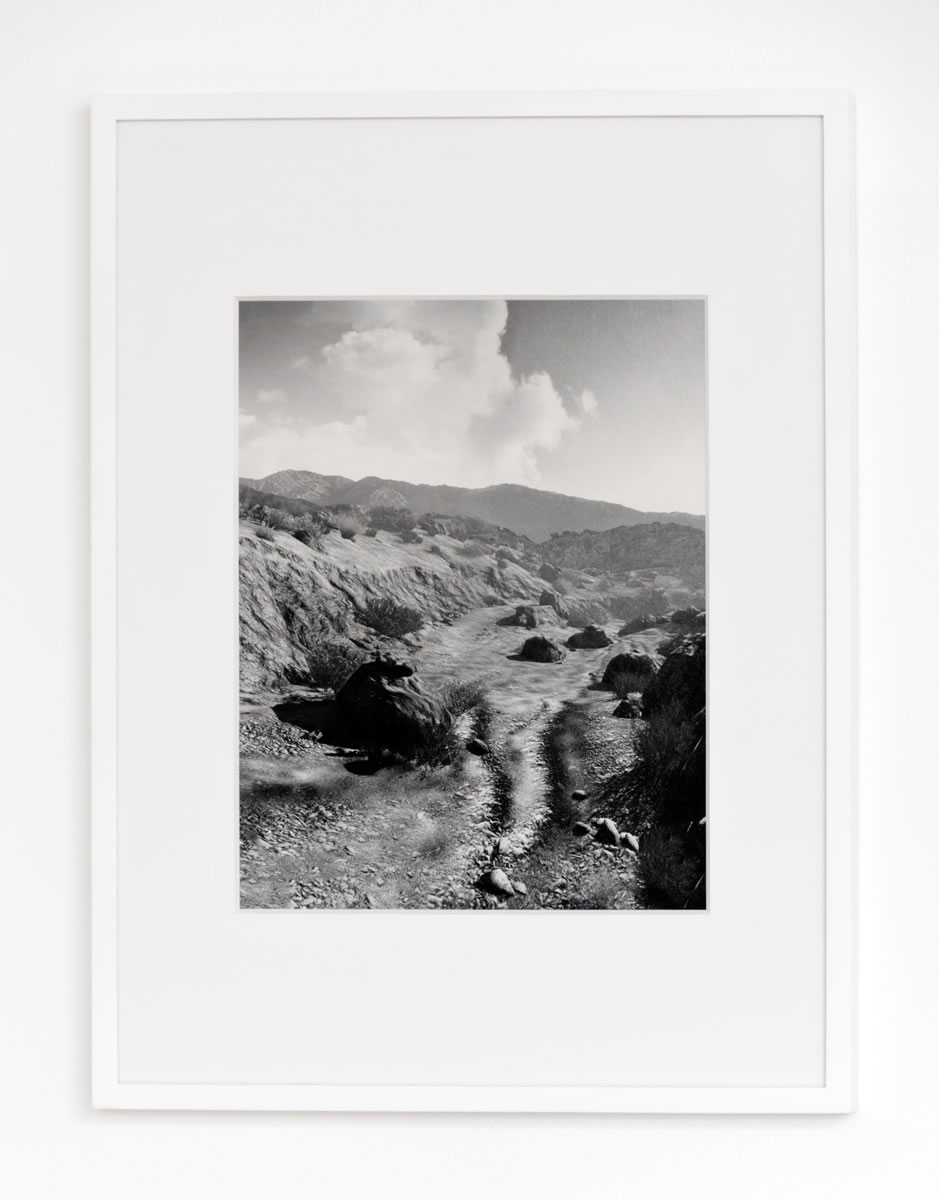
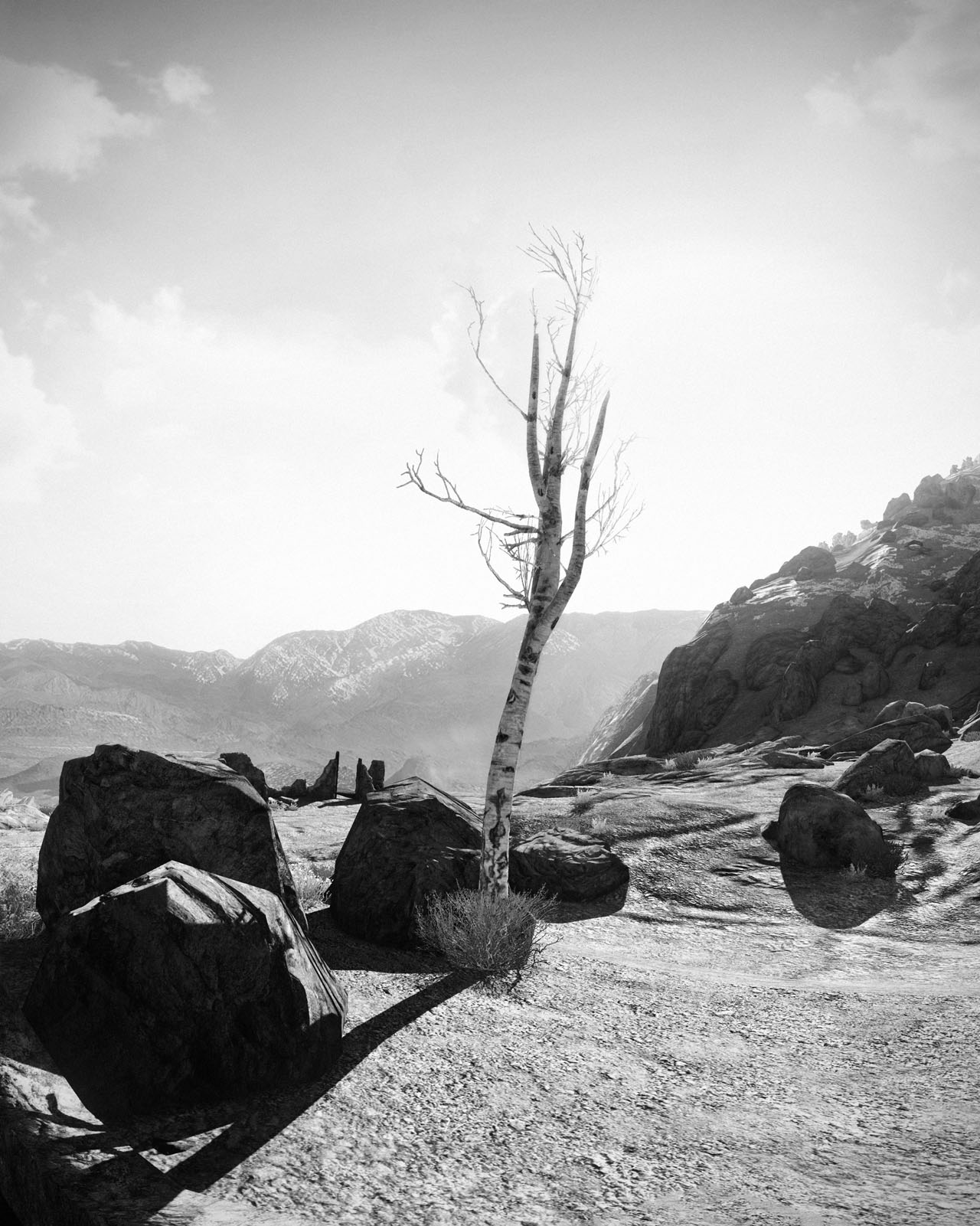
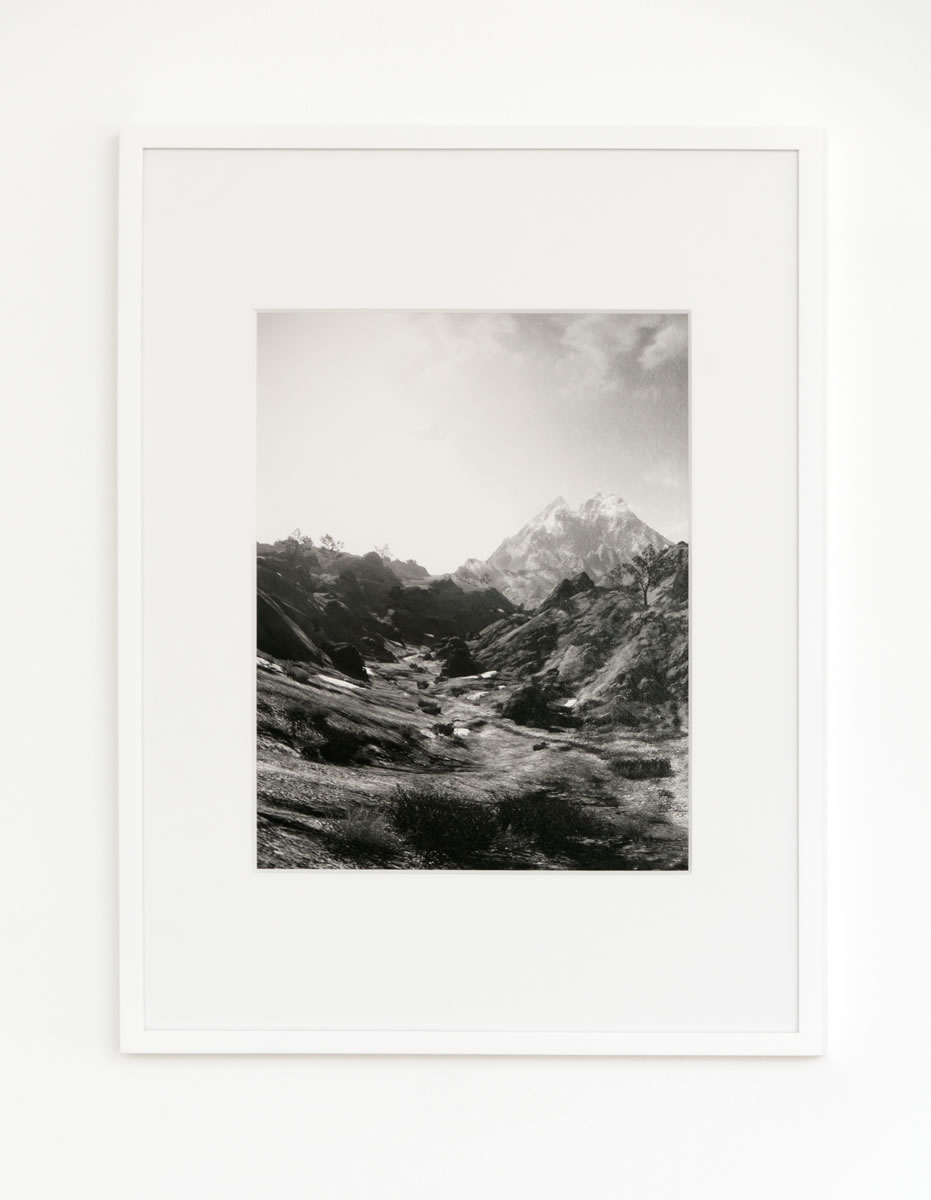
These were from the first photos that I ever took from within a game. They were inspired by wanting to render these sites of violence in two ways, with the same critical gaze in which we would capture the real world, and through the lens of romantic traditions such as the Hudson River Valley school of painters. I found myself returning to this site numerous times of the years, see the show 'the dust never settles' for examples. In wanting these to read specifically as photos rather than screenshots, I borrowed from the style and approach of Ansel Adams, referencing the tradition of landscape photography in America.






Graphic Novel
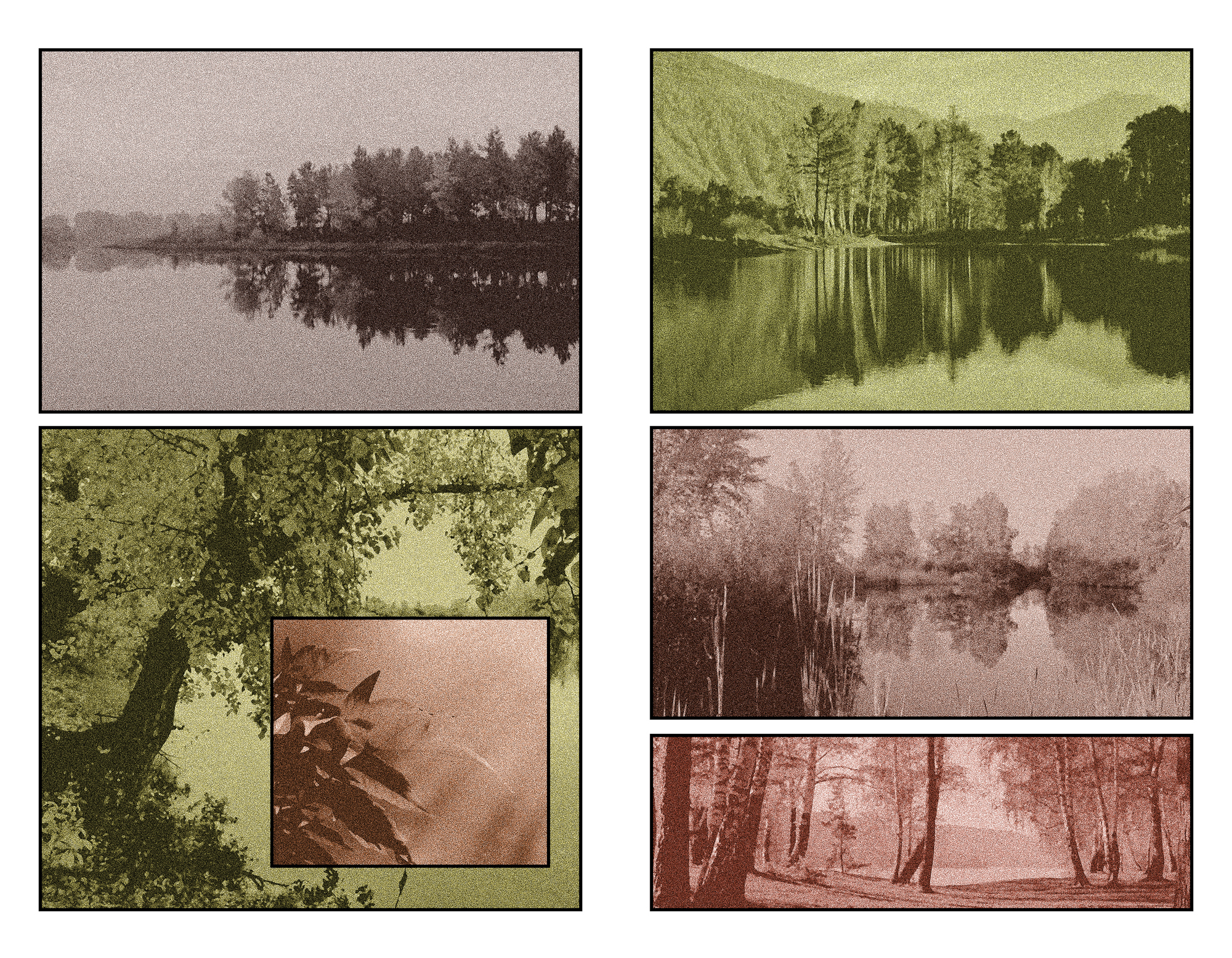
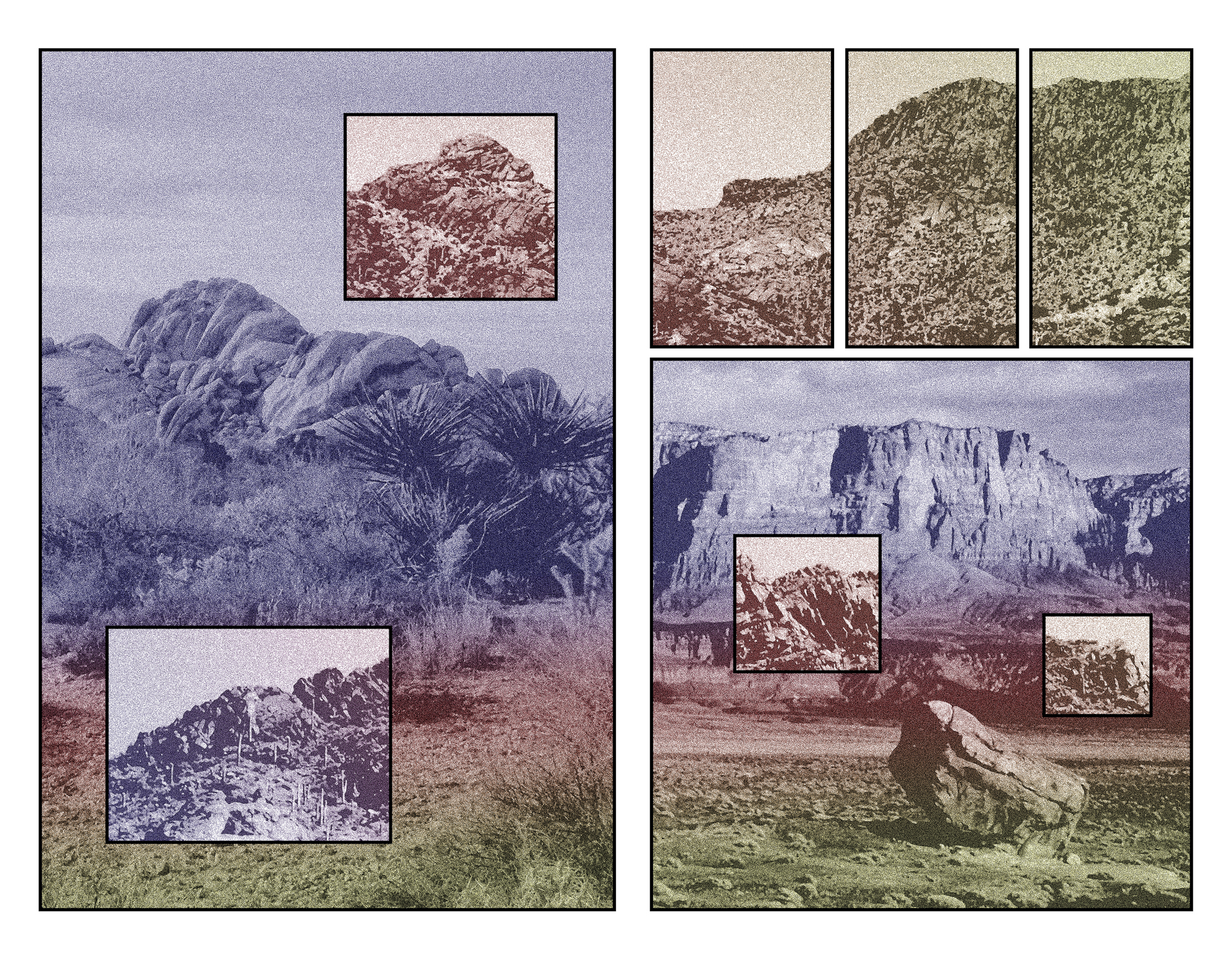
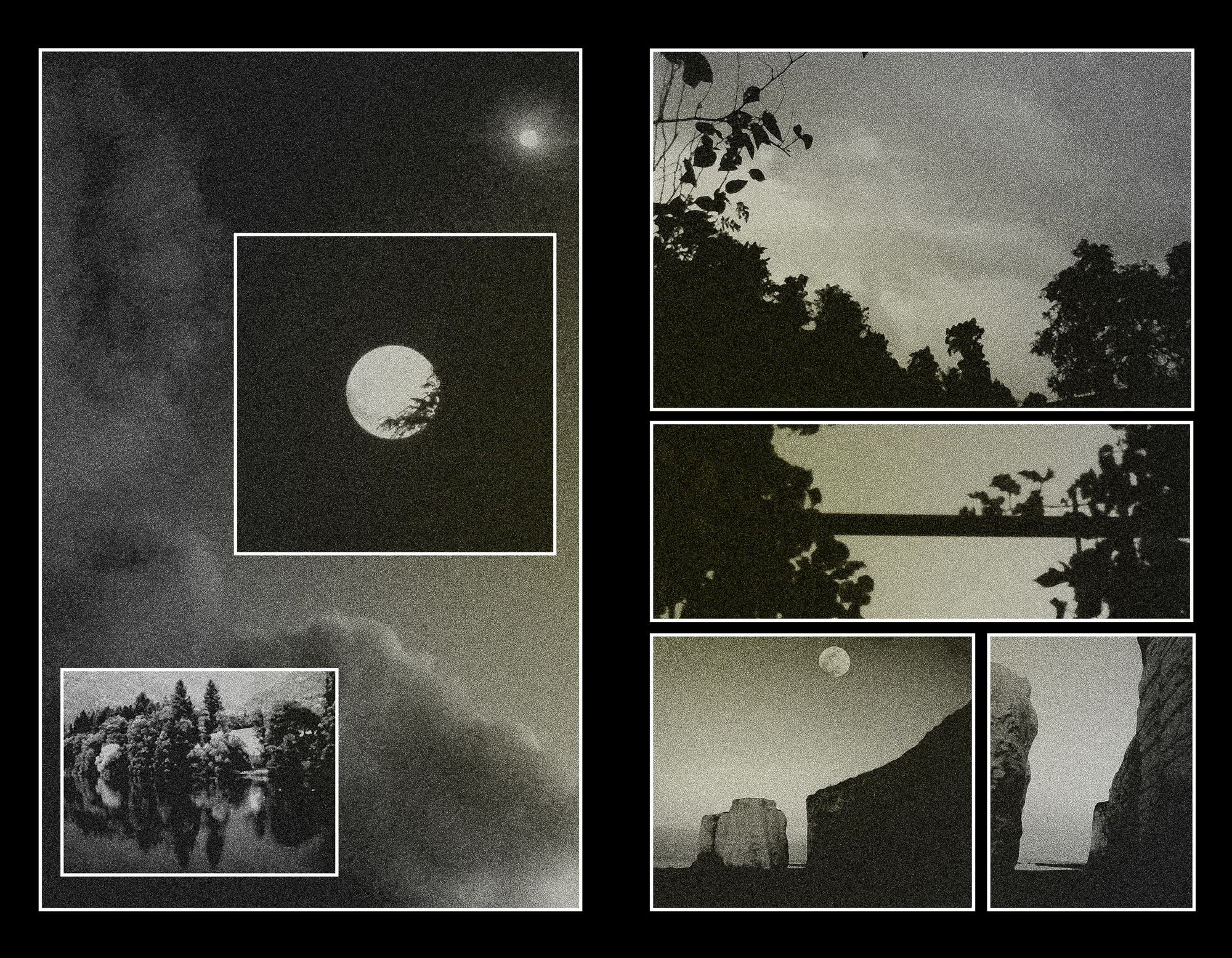
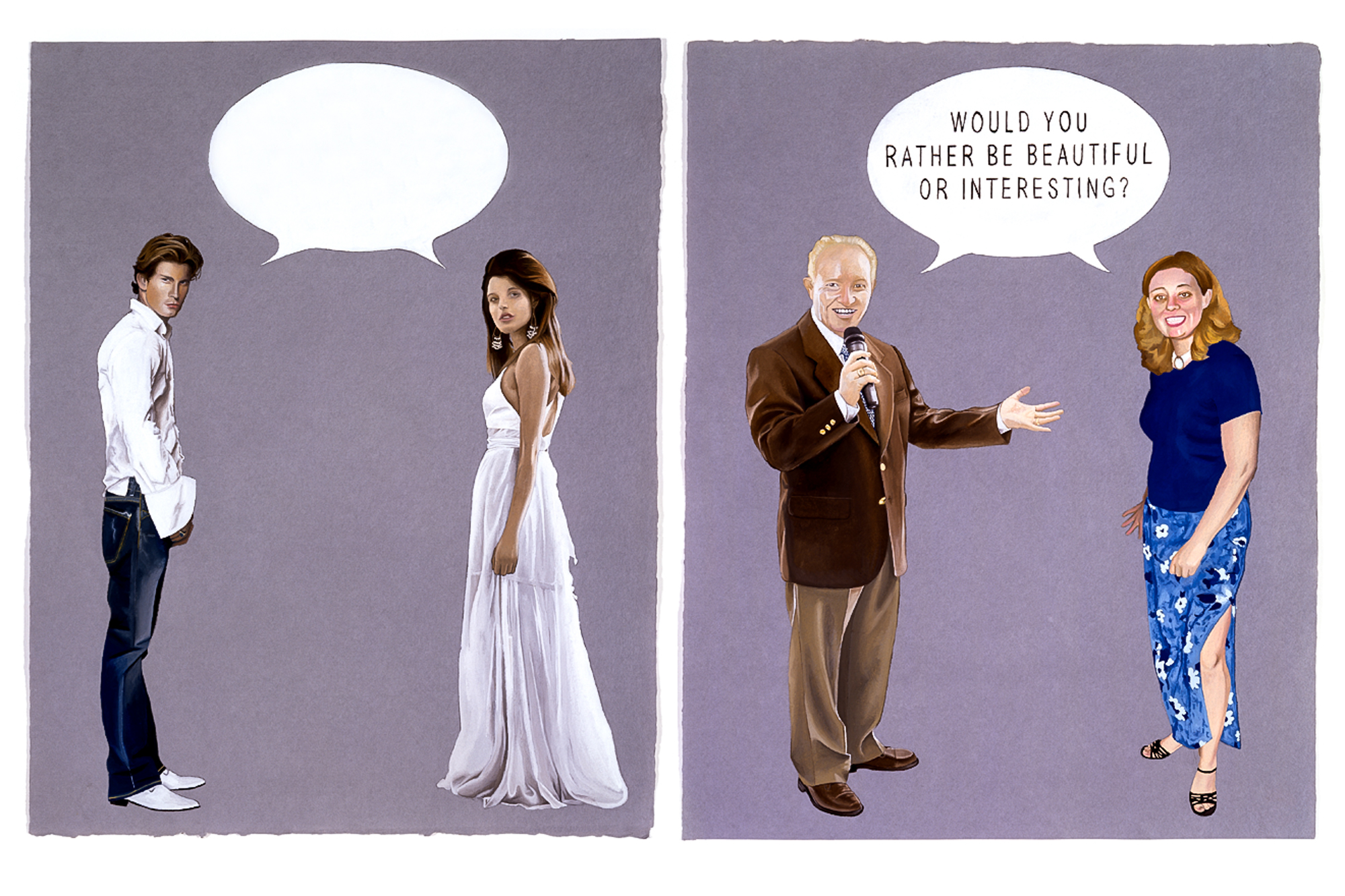
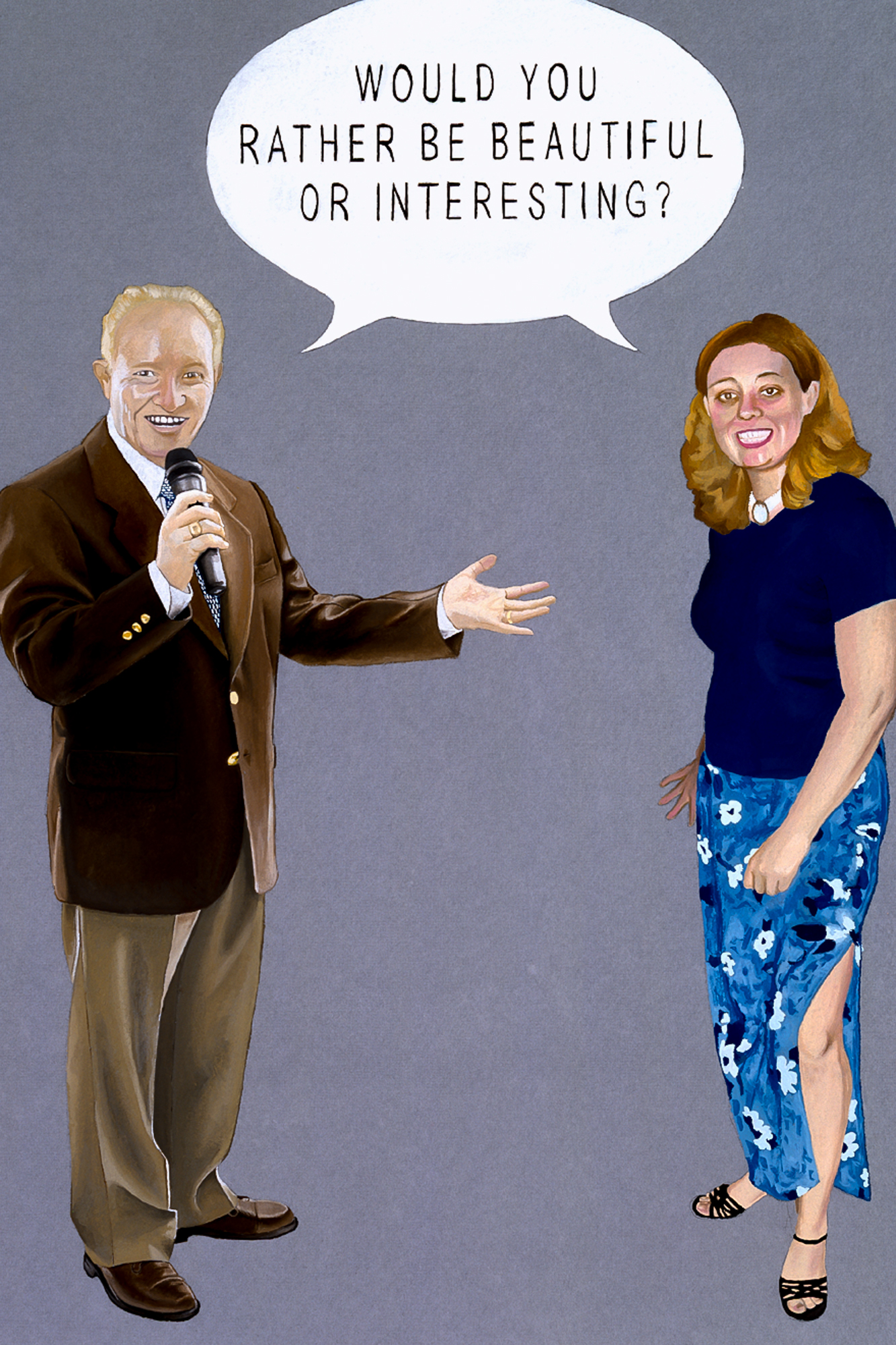
This was a piece related to the web-based project Would. It is a graphic novel that relies solely on Creative Commons images from a variety of photographers that have all been aggressively processed in order to complicate their authorship. The graphic novel moves through landscapes from all four seasons. Some spreads were printed as diptychs meant to be installed in the corner of a room.
Prints


Selected Spreads






Documents
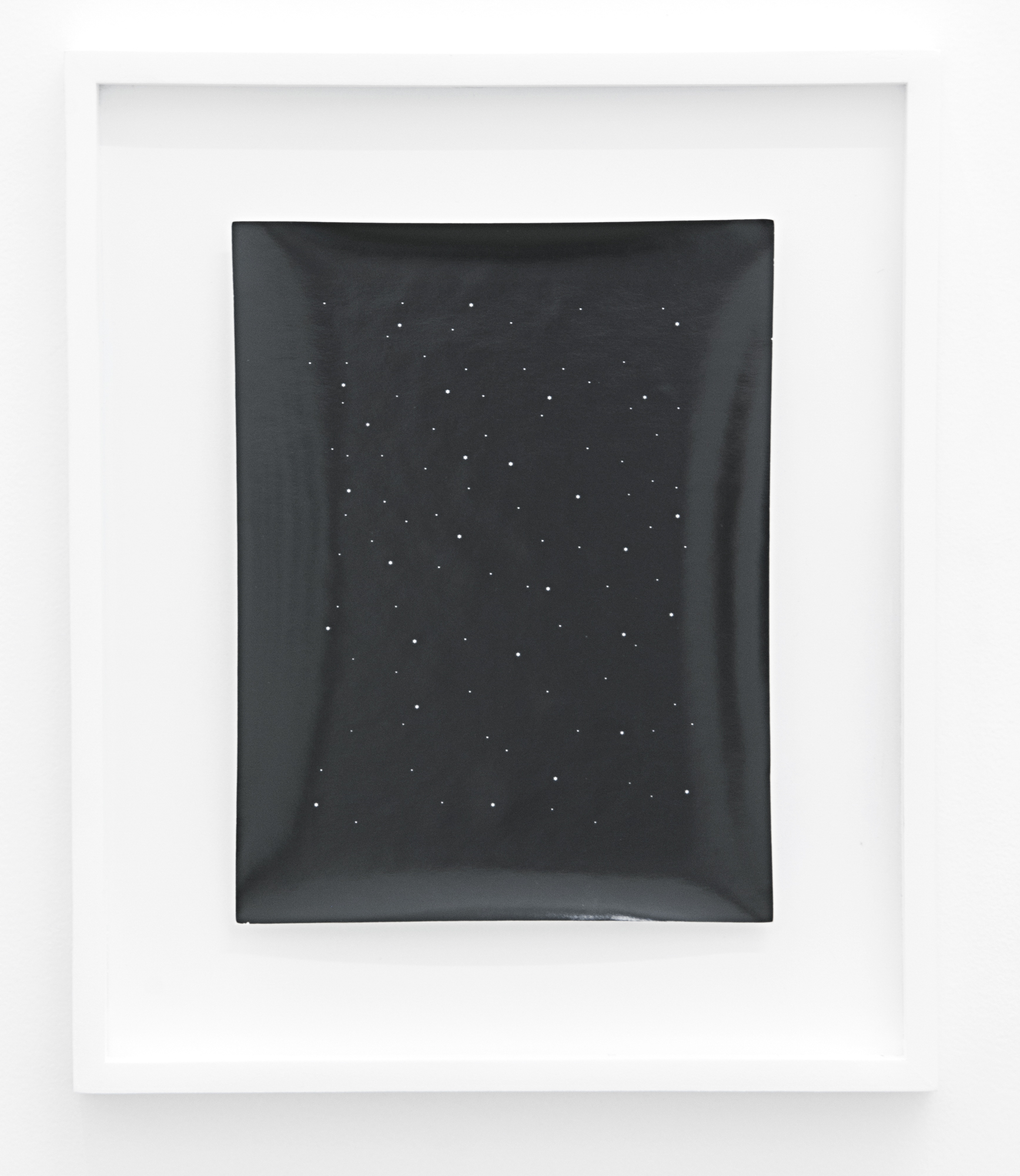
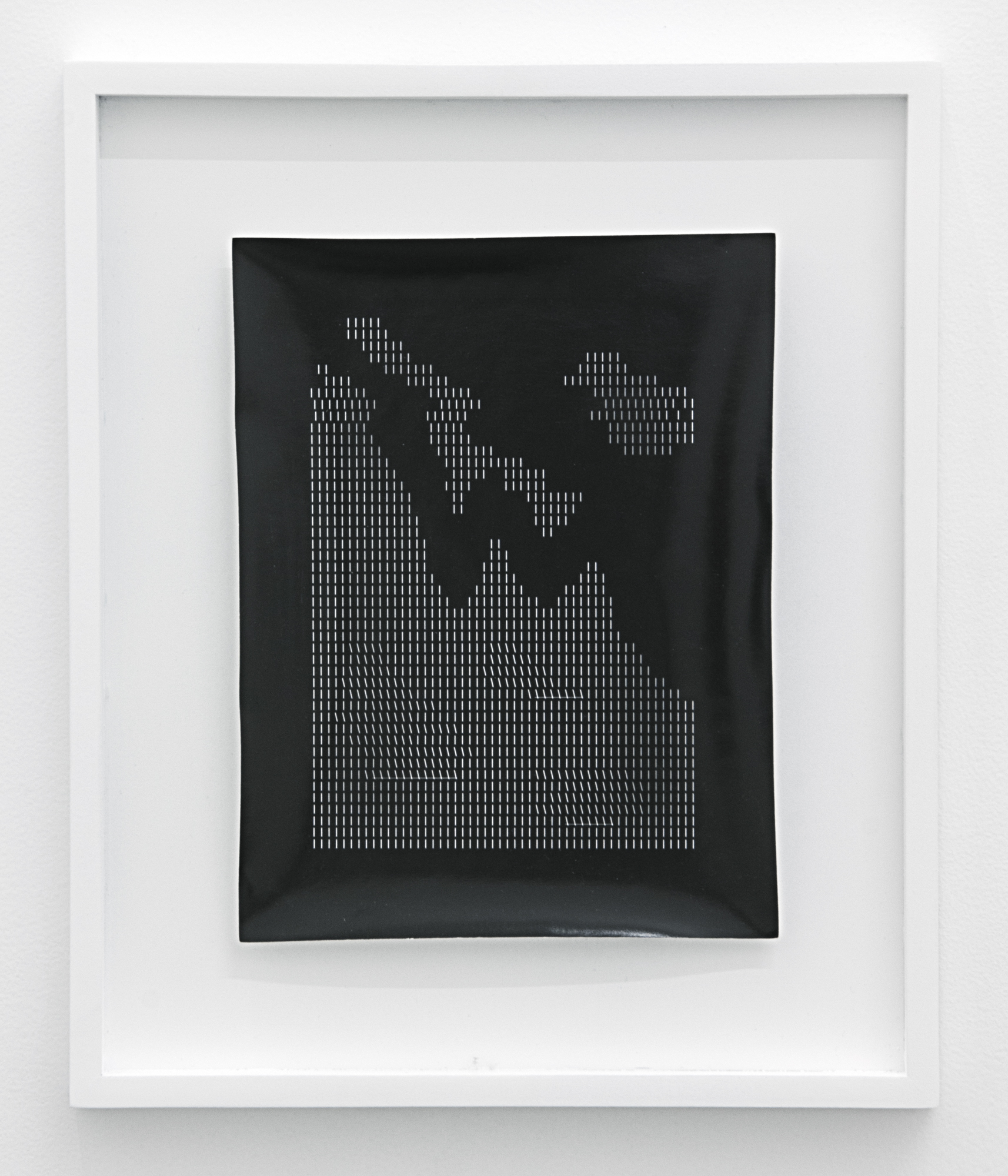
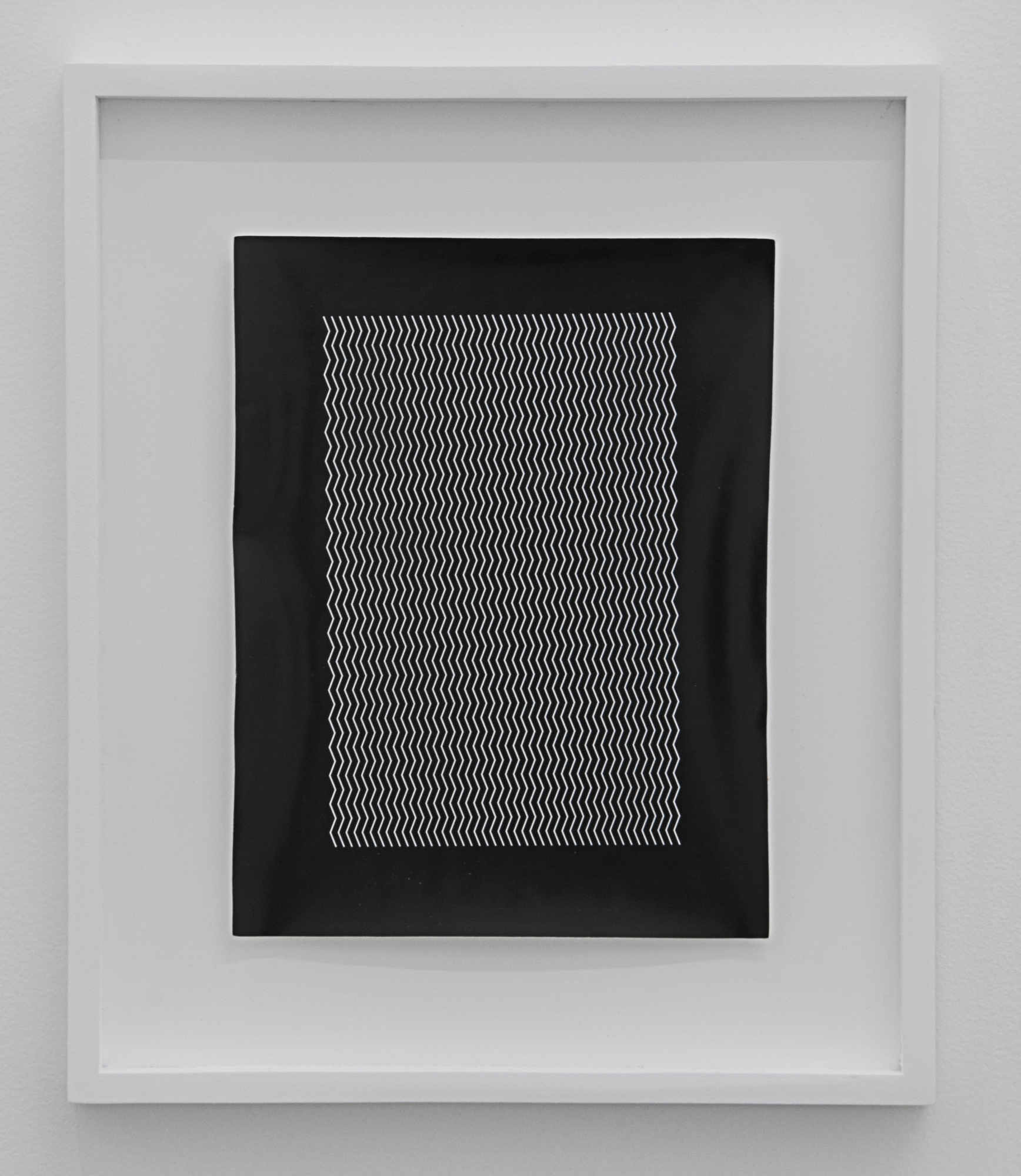
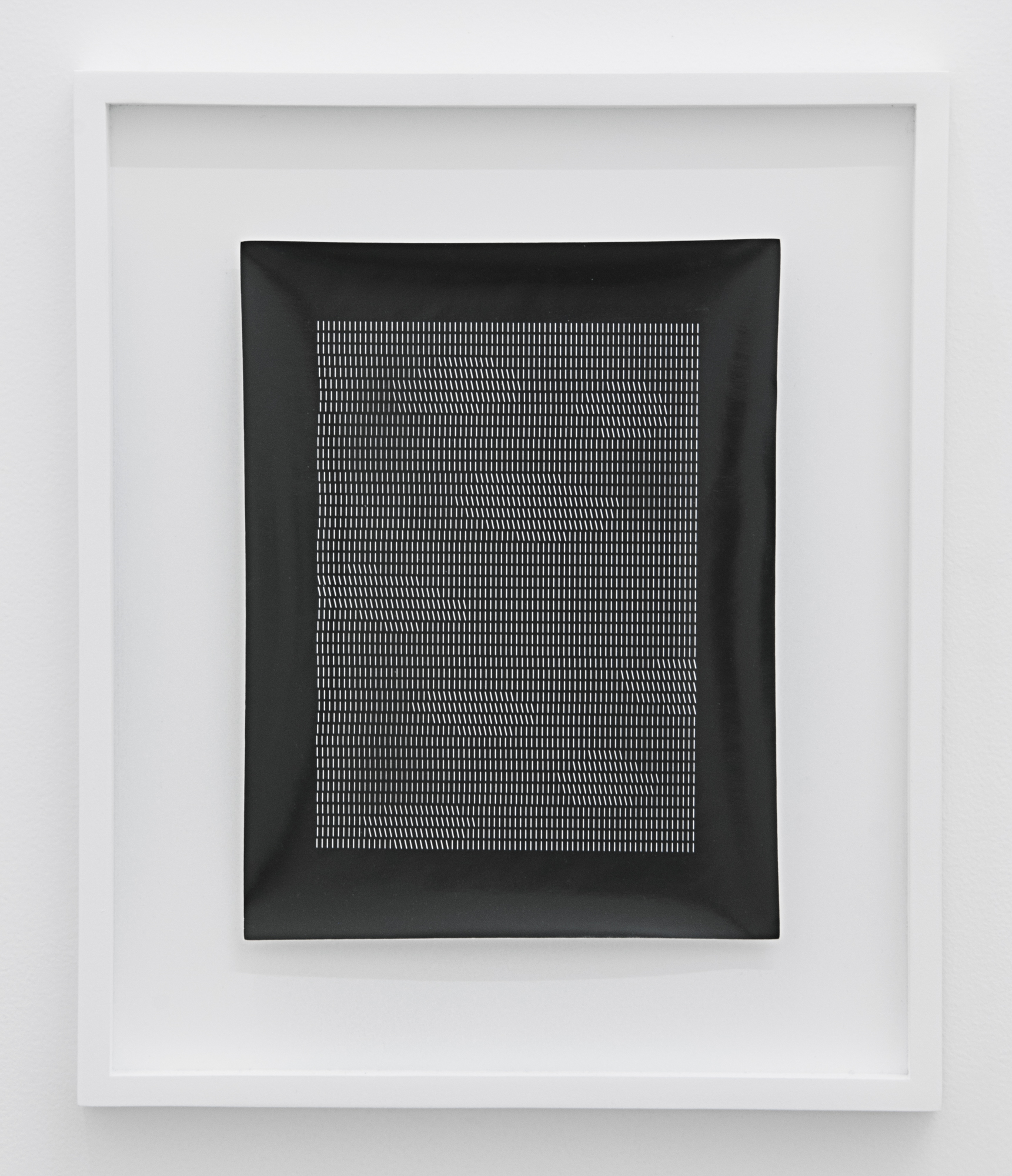
These gelatin silver prints are all photograms produced from negatives created in Microsoft Word.
Images




Book Covers
These are book covers edited to remove all of the subject matter from the cover of books, leaving behind only the structural signifiers of meaning. Most of these ultimately centered on science fiction and fantasy novels where the various characters are removed and only the landscape remains, often appearing normal or mundane when the wizards and dragons are missing.
Stereoscopes


Choose Your Own Adventure


Landscapes


Replasure
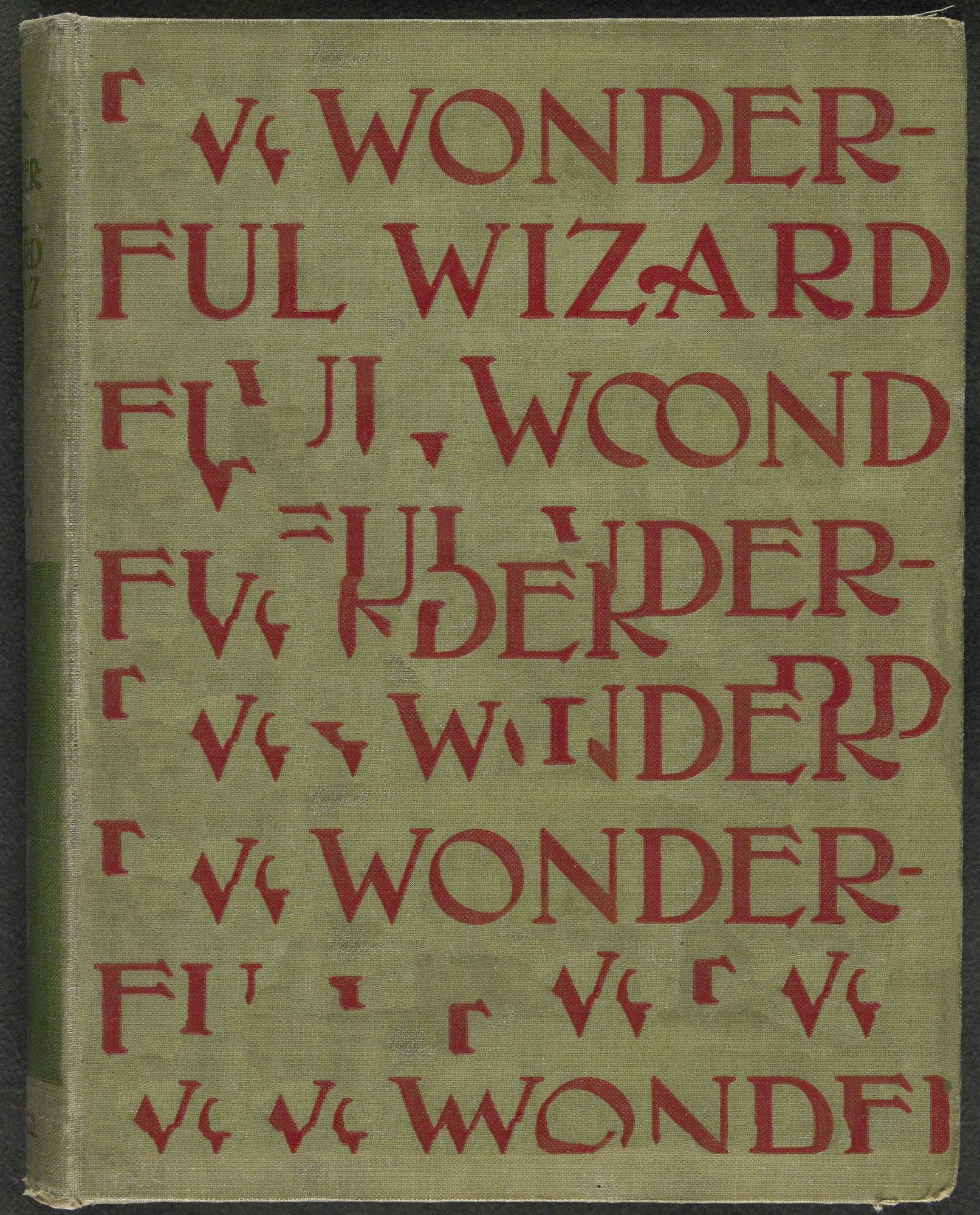
These early explorations were using the first version of Photoshop's Content Aware Fill feature to erase the entire subject of an image, replacing it with an algorithmic collage of the background.
Images



Interactive / Immersive
Instrument
This grew out of an exploration looking at how to create more accessible gestures for immersive media. The litmus test was to create something that could be used predictably, intuitively, and expressively, leading to the development of this musical instrument. I collaborated with Michael Gancz, a musician, researcher, and composer, to make a version of the instrument built for real-world performances. Michael ultimately composed a piece and performed it for the New Interfaces for Musical Expression conference in 2025.
Videos
Still Lives
This piece included two video projections of a still life shown side by side. Visitors could interact with the still lifes through Leap Motion gesture controllers. Though the still lifes were visually identical, they each contained different stories and sounds that would play depending on which elements of the still life were moved out of their original alignment. After a short period of inactivity the various objects in the still life would move slowly to match their initial configuration.
Images


Video
The Sands
Info
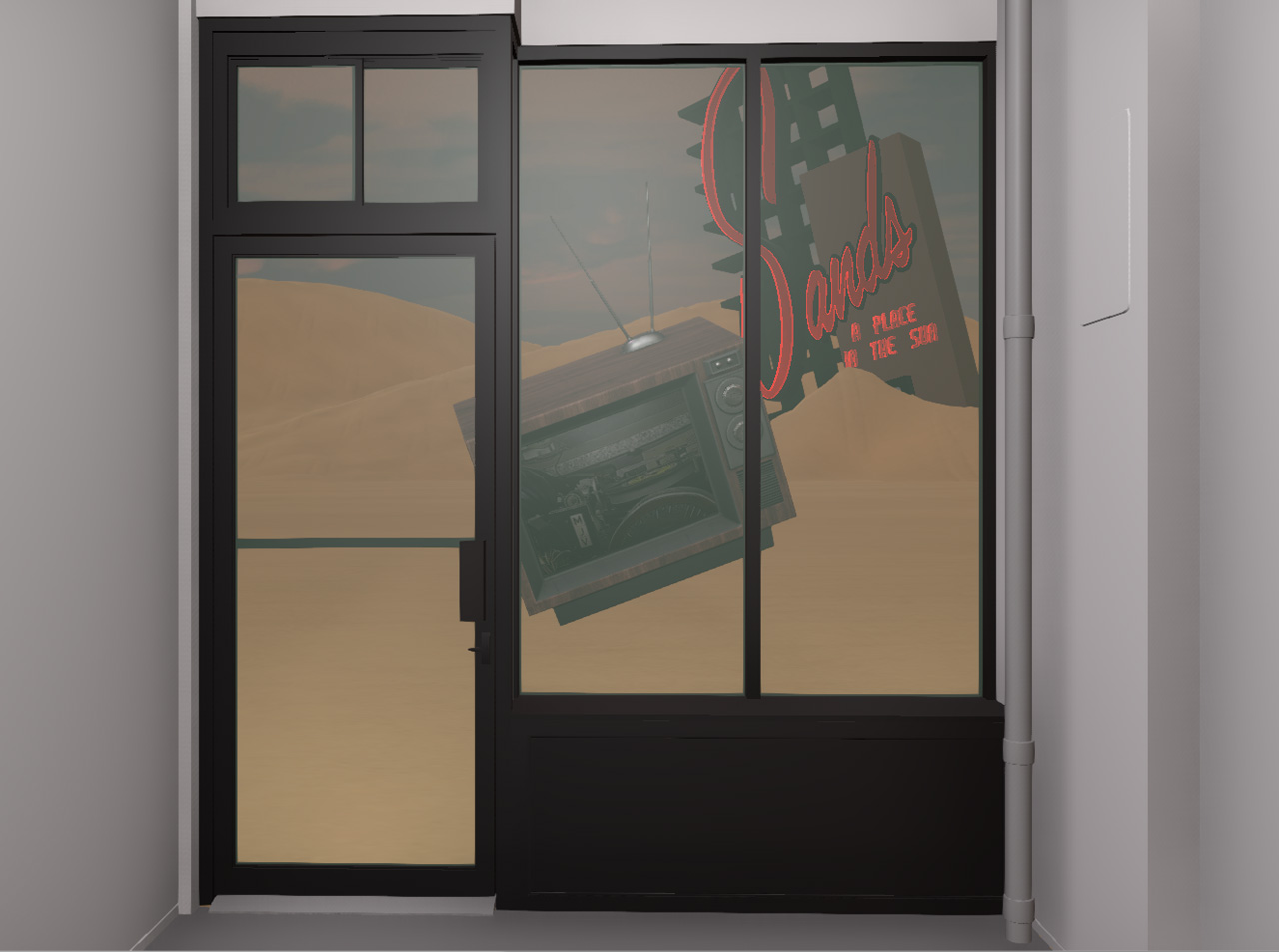
The original Sands Casino was an amalgamation of American dreams, a place in the middle of nowhere where everything was possible, where you could go from rich to poor within the space of a heartbeat, where stars from the silver screen came to sing and perform, putting on shows that transcended the moment they lived in, and that became part of our cultural memory. It was a place both physical and imaginary, where fantasies came true and where realities transformed into myth.
The Sands is not quite a mirage, not quite a mirror, and not quite the thing itself. Combining the work of numerous artists, The Sands becomes a new kind of venue for a group show, one where the works are able to take turns occupying the gallery space, and where different pieces, paired together through chance, interact in unexpected ways. The works in this show are neither acting in concert with one another nor competing for your attention, they simply share the same space and time in ways that are sometimes funny, sometimes poignant, and occasionally even discordant.
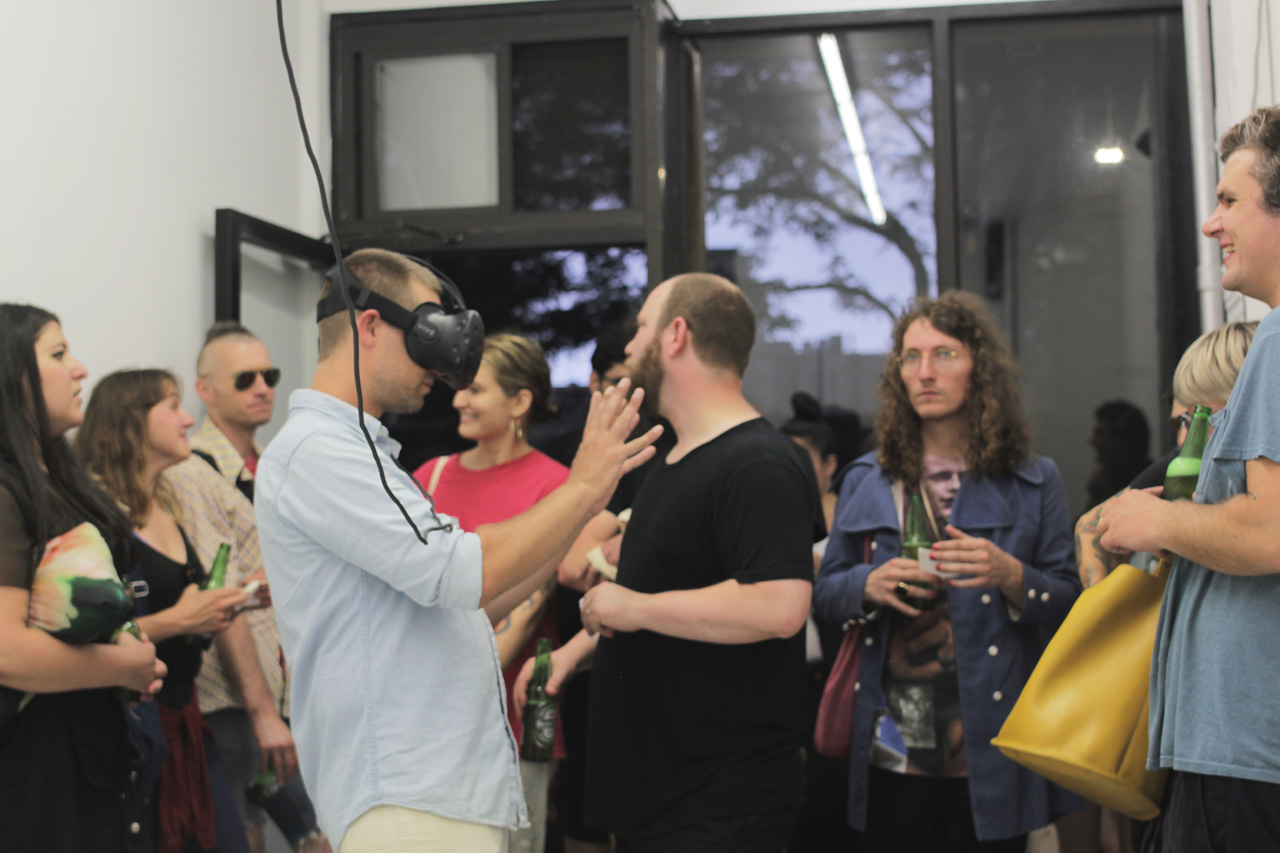
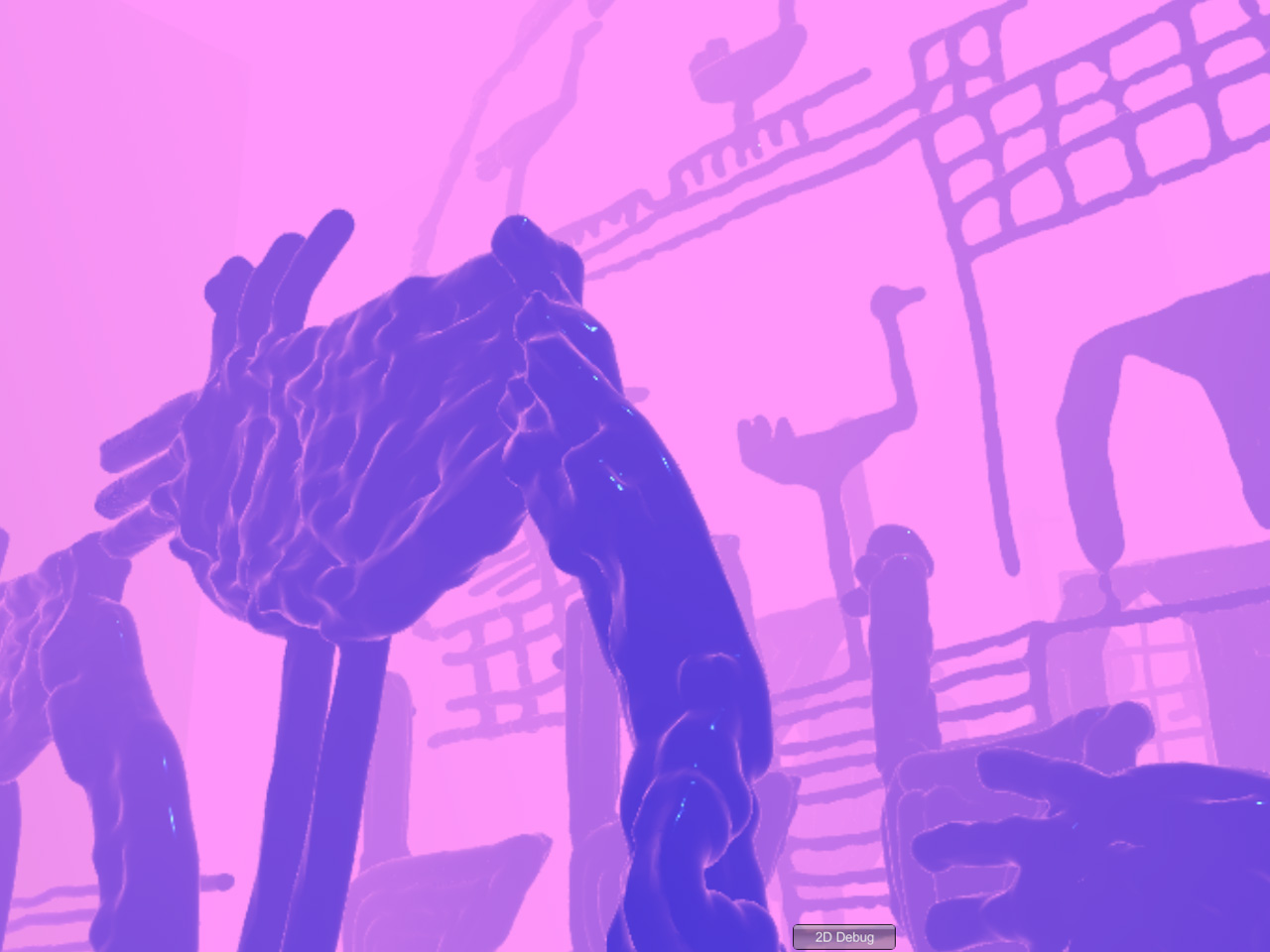
The show is a 1:1 recreation of the gallery in VR and viewers inside the virtual installation will be able to walk in and around the physical space of the gallery, able to touch the walls and navigate around a pedestal in the center of the room.
Artists in the show include: Valentina Zamfirescu Banggeul Han Alex M. Lee Ilana Savdie Antonia Kuo Young Joo Lee William Wheeler Ellis von Sternberg Dan Swindel Justin Berry Jonathan Ehrenberg Philip Vanderhyden Johannes DeYoung Federico Solmi Nicholas O'Brien Organized by Justin Berry, Valentina Zamfirescu, Ilana Savdie, and the rest of the Blended Reality Crew.
Images




Labyrinths
Info
Labyrinths is a Virtual Reality exhibition that features the works of twenty-four artists in a virtual gallery maze. Classically, the labyrinth is a space where serendipity, danger, and opportunity lurk around every corner. Like the labyrinthian archetype of the minotaur, Virtual Reality enables hybrid forms of imagination and embodiment. Its opportunities can simultaneously engage the worst human impulses or rise to new heights of human aspiration. Archetypal narratives unfold in recursive rhythms, and the spiraling structure of the maze is site for both self-reflection and projection.
Labyrinths have long symbolized psychic and spiritual journeys. In this exhibition, the virtual space becomes a meta-cognitive site where poetic association happens through strange encounters. The exhibition is built upon a mode of controller-less navigation, in which fully embodied navigation drives exploration. The maze itself finds resonant structure in the architecture of the inner ear, which directly effects human sense of proprioception, balance, and spatial awareness. Throughout the maze, participants experience artworks that explore themes self and embodiment, representation and materiality, time and space.
Labyrinths features works by Sara Abbaspour, Rebecca Aston, Bobby Berry, Justin Berry, Philip Birch, Camille Chabrol, Blinn & Lambert, Lance Chantiles-Wertz, Michael Costagliola, Johannes DeYoung, John Eberhart, Jonathan Ehrenberg, Rebecca Gilbert, Jake Jefferies, Antonia Kuo, Adam Moftah, Nicholas O’Brien, Mike Rader, Ilana Savdie, Federico Solmi, Anahita Vossoughi, Jack Wesson, Natalie Westbrook, and Valentina Zamfirescu. The platform utilizes a mode of embodied navigation developed at Yale University’s Center for Collaborative Arts and Media, presented at the IEEE GEM 2018 conference in Galway, Ireland.
MORE INFO:
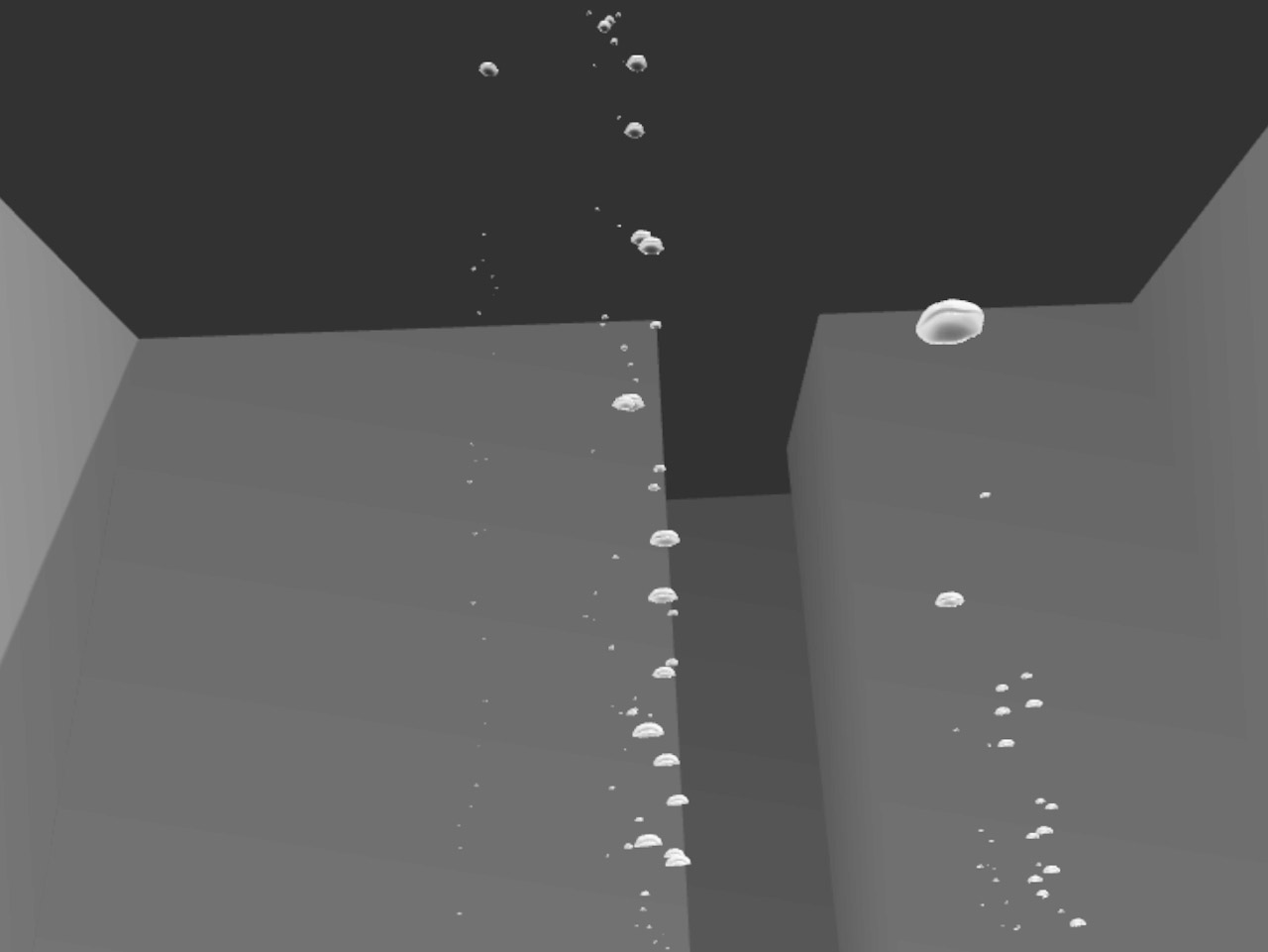
This project grew out my research group in Blended Reality at Yale. We built and curated it collectively. My personal work in the show was a collaboration with Rebecca Gilbert. We built a cube of water that converts the world to black and white when you step inside it. Bubbles emerge from the floor and carry with them all the different sounds of water captured in a 24 hour period, from bathing our daughter, sitting at the beach, taking a shower, using the toilet, washing our hands, etc.
Images




Whitepoint
Info
"From either Cape North or Ingonish, get off the Cabot Trail in the direction of Neil's harbour (if coming from Ingonish), and, drive along the coast to White Point. Descending into town, but not to the docks, look for the "Two Tittles" Inn, and immediately to the right, you will find a dirt road that leads you 200m up a parking spot. Park and continue by foot, you will really enjoy this hike/stroll as a complement to a longer hike in the area (Peak at Tenor Reef or perhaps Meat Cove, or a paddle at White Point). "
"It has what seems to be classic alpine tundra and meadow that you'd see on a B.C. mountain peak, only you are 100 feet off the ocean floor where waves crash through sea stacks (towers of rock), and, the hills run one after another until you reach the grave of the unknown sailor. Above it, a white cross. Beyond it, several unreachable Islands of a small archipelago (The Tittles). Washed up sailors from ship-wrecks were buried here, in simple graves adorned by unmarked granite stones, which somehow fit perfectly with the natural setting." *
What does it mean when you see the rugged coast, slammed by the rising tide, but cannot hear the roar of the waves as they pour through the breakers and gurgle down into the dampened sand? Nor feel the salinated wind on your cheek - nor the smell of cut pine and wet moss - nor the awkward footing of the stones beneath your feet as you slide down the cliff to better see the surface of the stones?
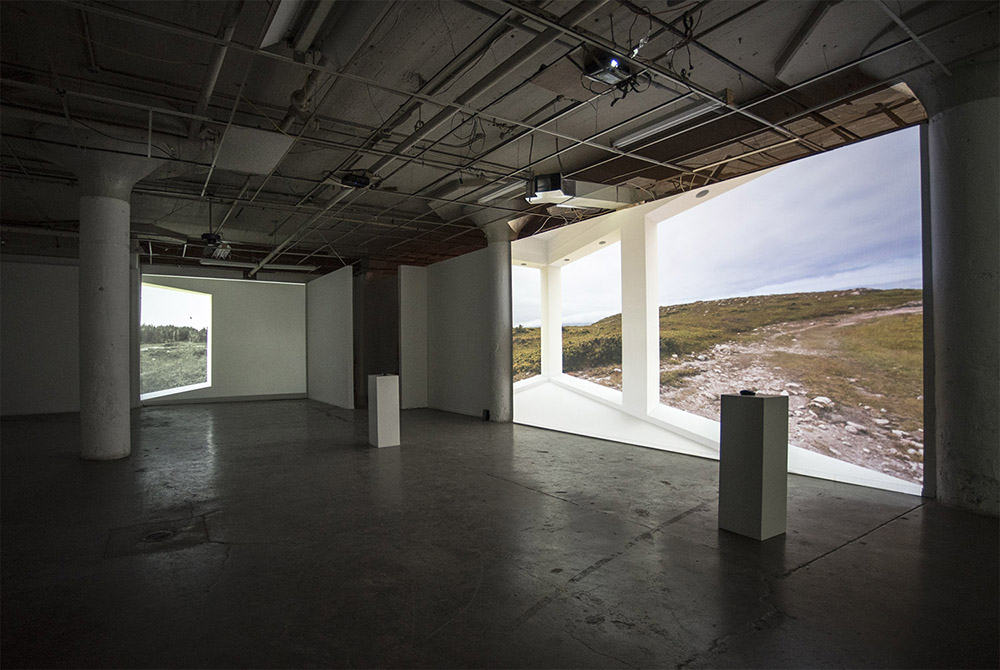
A photograph is the translation of sight into a still image. What is it called when you capture the light of a place, then shine it upon somewhere new? Here the light from White Point has been captured, preserved, and used to illuminate a series of virtual spaces, including a spartan pavilion and an art gallery.
White Point itself is included in the exhibition, a 360 degree panorama of nine locations, nine times of day, and nine kinds of weather (mostly overcast).
* from trailpeak.com
Images



Verb Collective
The Verb Collective is a toolkit designed to aid artists in exploring interactive media and to help non-specialized instructors teach interactive media as well as virtual and augmented reality.
Drawing
Gouaches
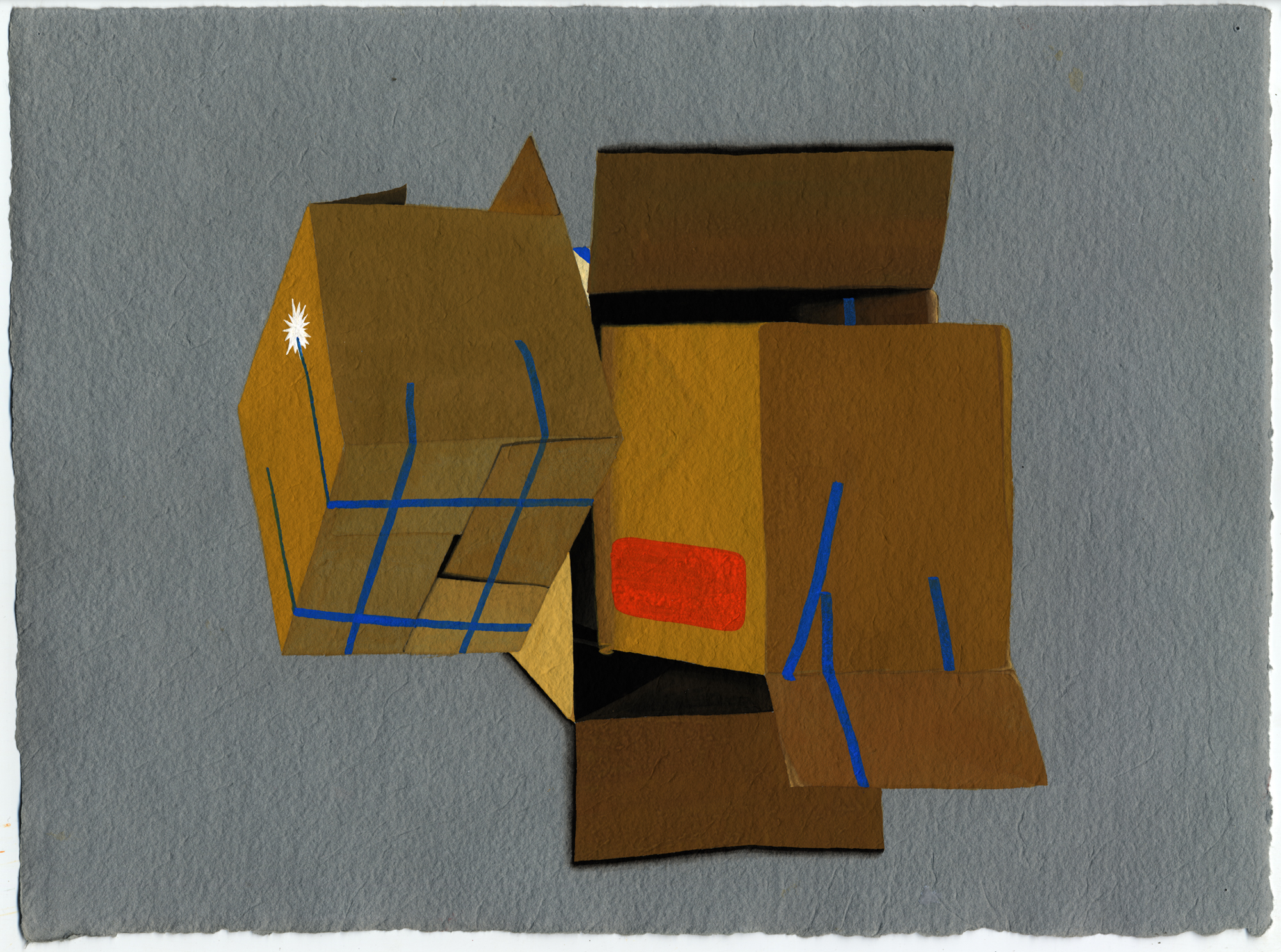
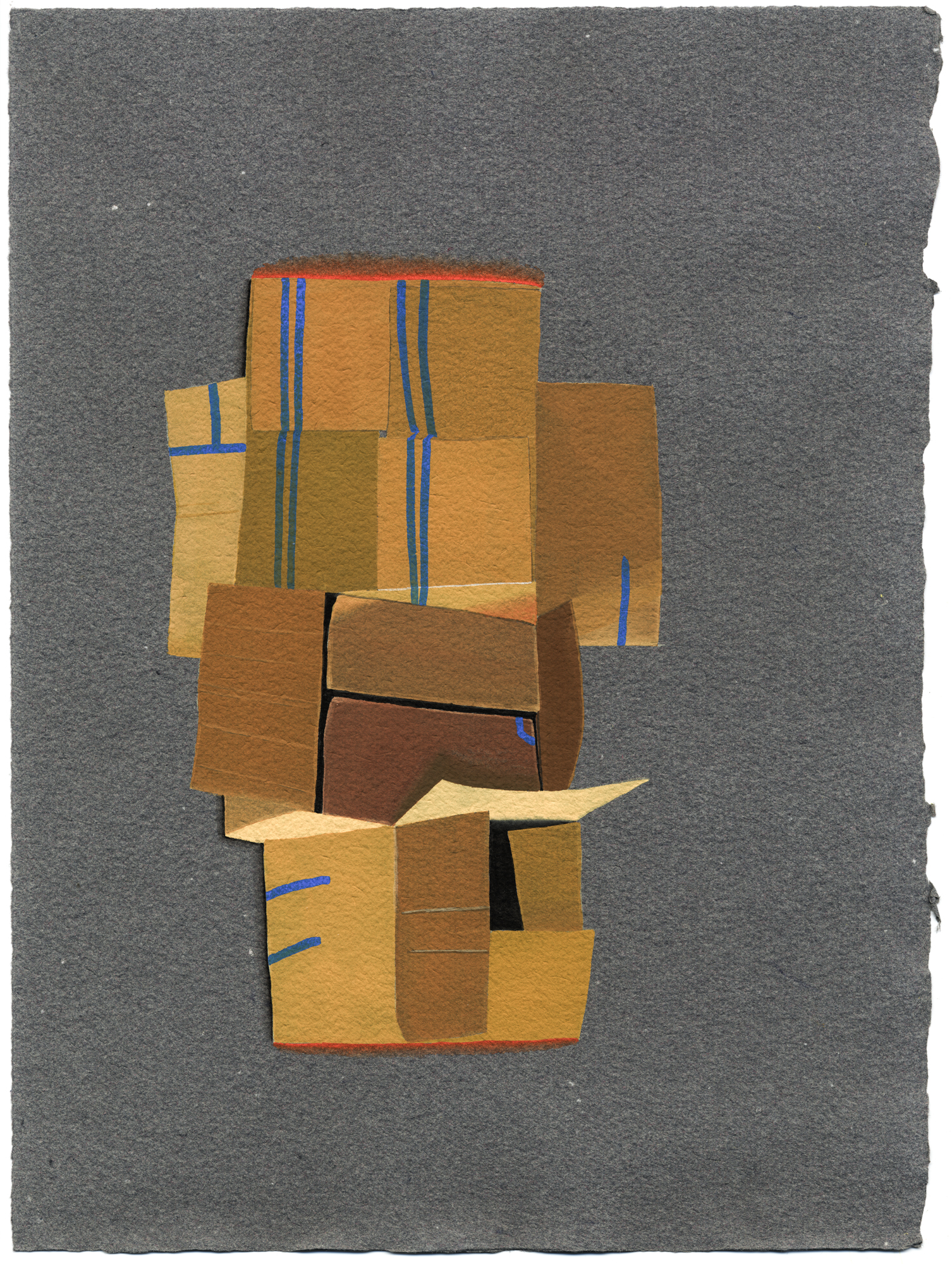
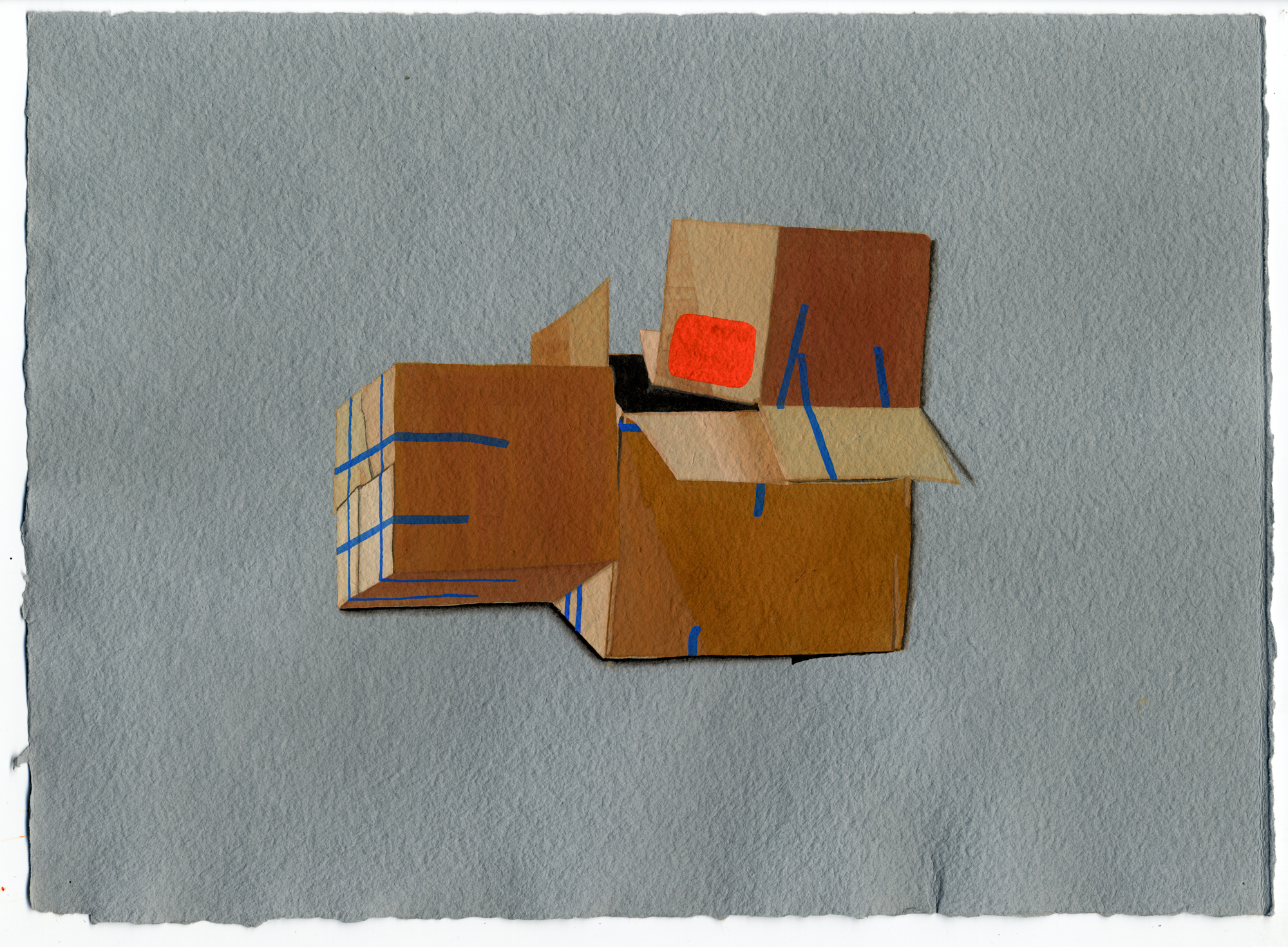

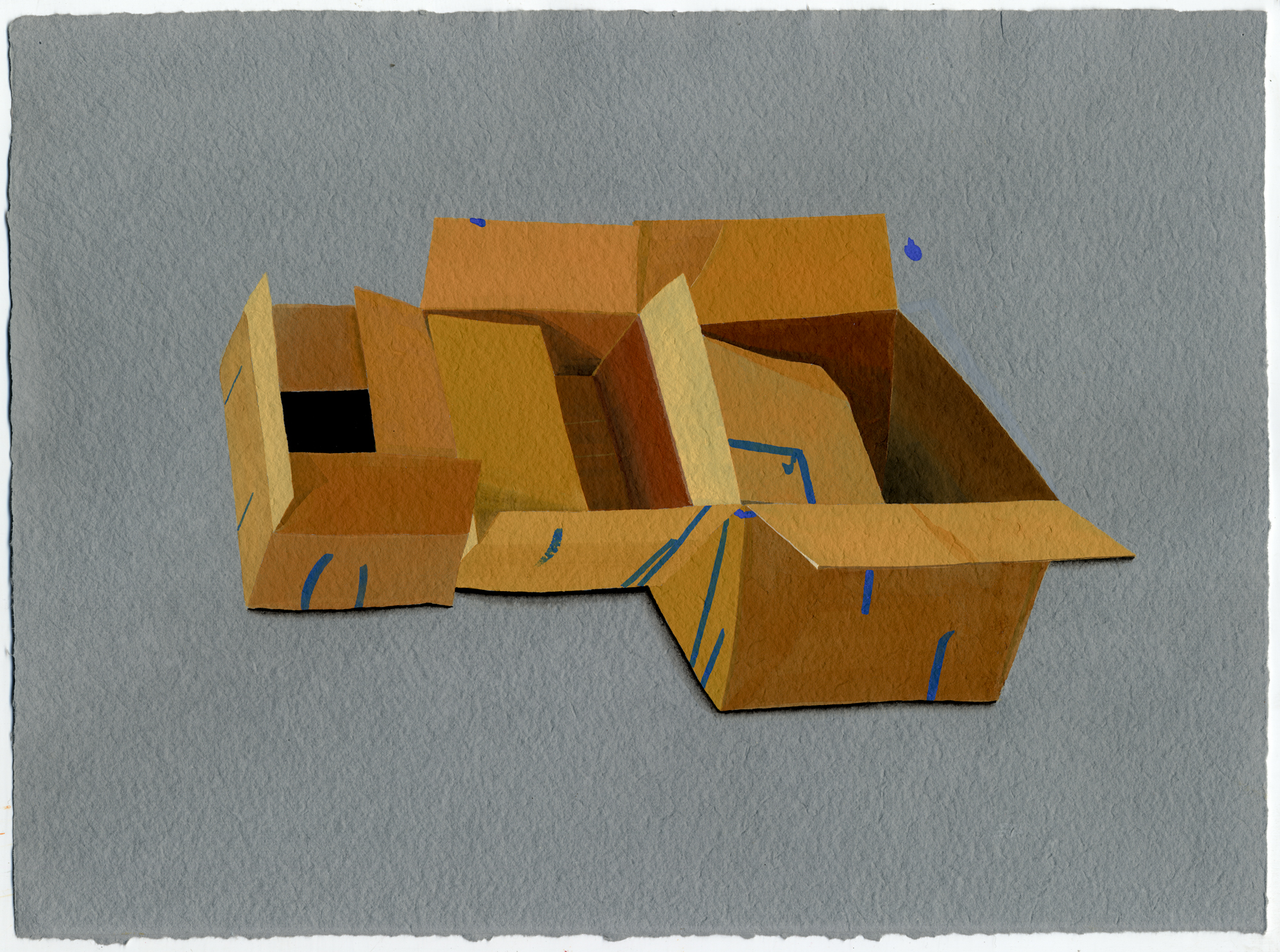




Blueprints






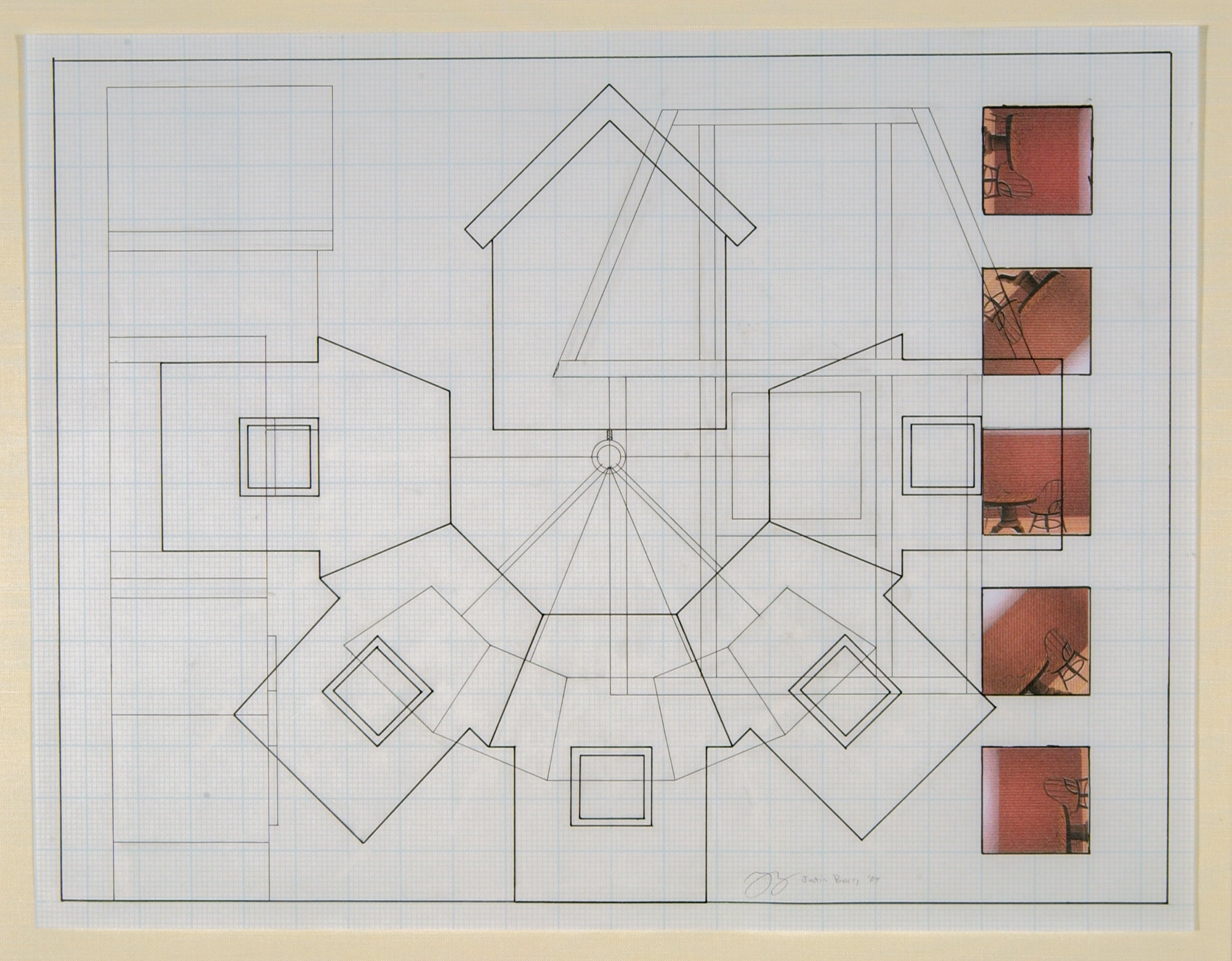

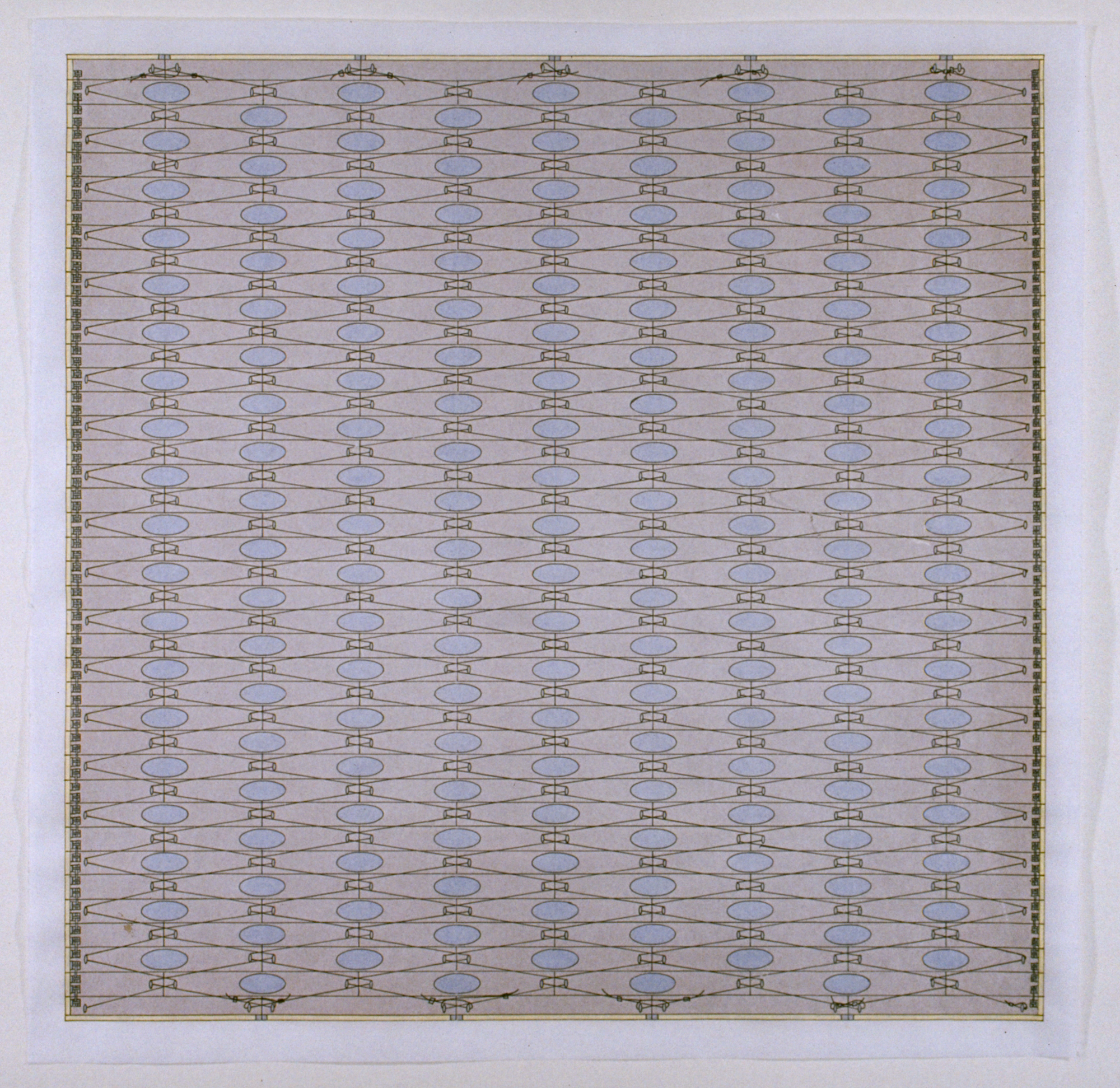
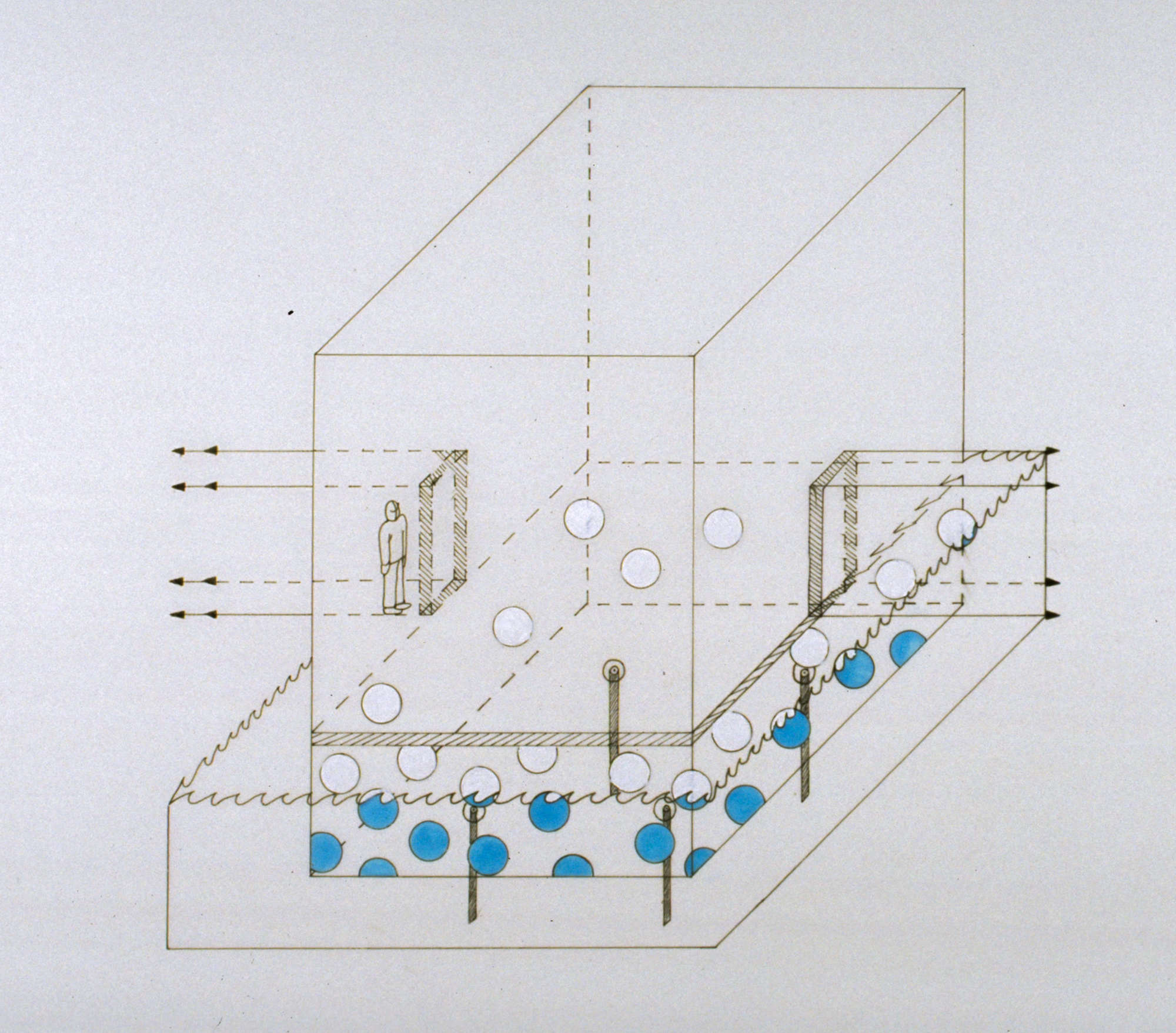
Sculpture
Paper Sculptures


Houses


Waves and Arches


Installation
Active/Idle
Info
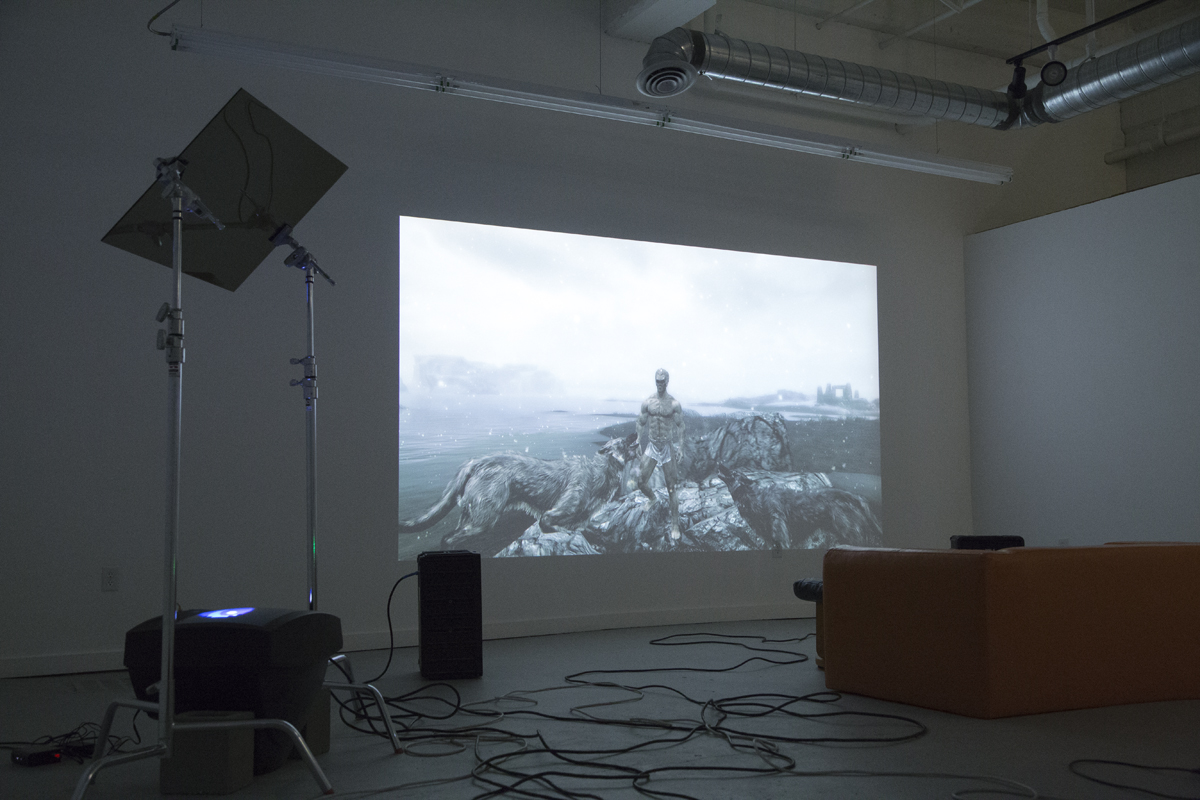
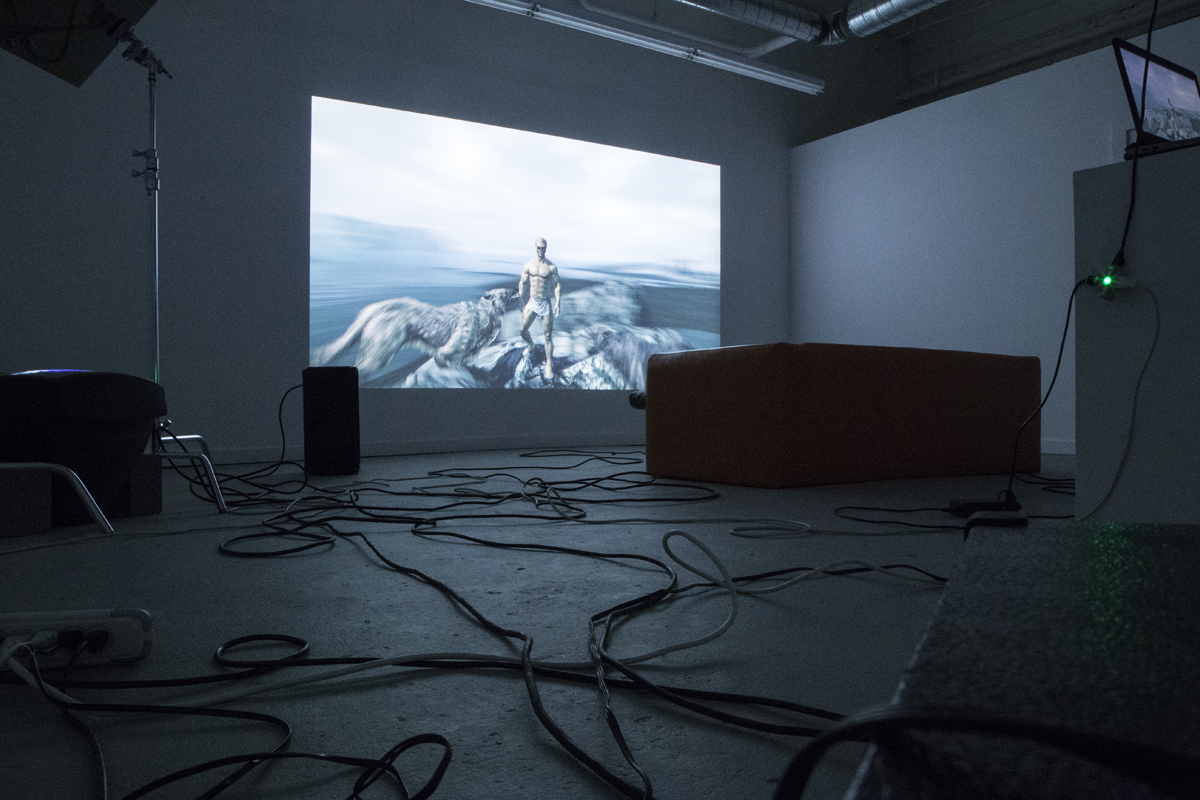
In Active/Idle Justin Berry is presenting three new pieces, one digital performance in the form of a projection, and two sculptural video pieces. The digital performance involves the artist playing the video game Skyrim in God-Mode and then walking away, allowing the game's idle animation to continue playing. Day and night pass by in virtual time, while a pair of wolves endlessly stalk and attack the player's avatar to no avail.
An idle animation is the animation that happens in a video game when the player ceases to play. It is usually an animation of the avatar doing something to show that they are bored, annoyed, frustrated, or impatient. One of the most famous idle animations is of Sonic the Hedgehog tapping his foot and staring at the player. Idle animations inevitably break through any sense of immersion that we might have in a game, reminding us that we are outside looking in at a fantasy world.
In the two video/sculptures presented in this show, Berry transforms idle and active animations into recurring Gifs, presented on older CRT monitors. One video shows Mega Man's pet dog endlessly laying about being bored, while the other shows Sonic, ever impatient to move, moving forever and ever in a dizzying loop. Both videos are visible through mirror/glass panels hovering above them, held in place with studio lighting equipment. The set-up is reminiscent of the traditional arcade box, though all of its mechanisms are left visible and exposed.
Images



Whitepoint
Info
"From either Cape North or Ingonish, get off the Cabot Trail in the direction of Neil's harbour (if coming from Ingonish), and, drive along the coast to White Point. Descending into town, but not to the docks, look for the "Two Tittles" Inn, and immediately to the right, you will find a dirt road that leads you 200m up a parking spot. Park and continue by foot, you will really enjoy this hike/stroll as a complement to a longer hike in the area (Peak at Tenor Reef or perhaps Meat Cove, or a paddle at White Point). "
"It has what seems to be classic alpine tundra and meadow that you'd see on a B.C. mountain peak, only you are 100 feet off the ocean floor where waves crash through sea stacks (towers of rock), and, the hills run one after another until you reach the grave of the unknown sailor. Above it, a white cross. Beyond it, several unreachable Islands of a small archipelago (The Tittles). Washed up sailors from ship-wrecks were buried here, in simple graves adorned by unmarked granite stones, which somehow fit perfectly with the natural setting." *
What does it mean when you see the rugged coast, slammed by the rising tide, but cannot hear the roar of the waves as they pour through the breakers and gurgle down into the dampened sand? Nor feel the salinated wind on your cheek - nor the smell of cut pine and wet moss - nor the awkward footing of the stones beneath your feet as you slide down the cliff to better see the surface of the stones?
A photograph is the translation of sight into a still image. What is it called when you capture the light of a place, then shine it upon somewhere new? Here the light from White Point has been captured, preserved, and used to illuminate a series of virtual spaces, including a spartan pavilion and an art gallery.
White Point itself is included in the exhibition, a 360 degree panorama of nine locations, nine times of day, and nine kinds of weather (mostly overcast).
* from trailpeak.com
Images
Offduty
Info
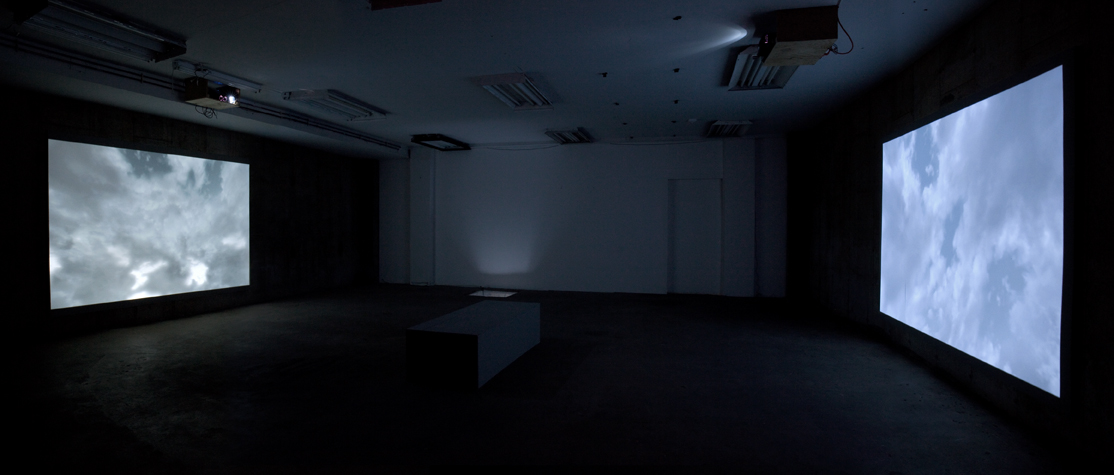
Berry's installation proposes the video game as a site for non-competition, aesthetic wanderlust and contemplation. Two high-definition monitors display magnificent skies that transition from day to night. While the videos appear to be documentary footage, the recordings are revealed as vistas from the fictional landscape of Skyrim, a video game developed by Tod Howard in 2011. Upon its release, Skyrim received rave reviews for its "open world" format, which allows players the freedom to travel anywhere at any time and to ignore the main quest indefinitely, gaining points even for sensitive activities, such as picking flowers.
The only action a player is not allowed to do is stop playing-this is the moment Berry's work kicks in. After two minutes of stillness or, in this case, sky-gazing, the game rejects the player, pulling the camera's gaze away from the landscape and pointing it back at the player's avatar. Berry re-constitutes the moments where the player ceased to play and decided to simply be still, stitching together those stretches of sky-gazing into a 24-hour showcase. The videos are timed so that noon on one screen meets midnight on the other.
Offduty recognizes a great paradox of the virtual world-players who enter these supremely creative tapestries feel real emotions, create formative memories that are not compartmentalized and try on new bodies and personas. These worlds are legitimate sites for meeting the other, coming of age, making decisions and passing time. The game too behaves and develops an intimate and responsive role with its player. In the face of this existential dilemma, where the real world and the digital blend into one, Berry searches for the space where the game shows itself, asserts its power, and reveals its physical limits.
Images



Waymaker at Chelsea Museum
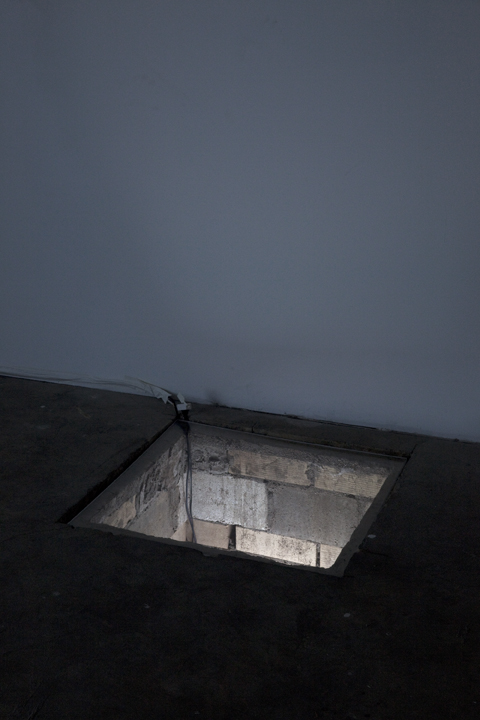
For this show I rebuilt the back office of the Waymaker Gallery and allowed visitors to rifle through the shelves and drawers, visiting the webiste through two on-site computers located at the owners desk and at the information counter. The green wall acted as a portal to the absent show.
Images


Mise En Abyme
This show was at the Pigeon Wing in London, an artist-run gallery. Visitors walked around a room filled with cardboard cutouts that were synced to a 3D model of the gallery installed with work by a fictional artist. When visitors moved through the room, they saw themselves composited into the 3D visualization in which the cardboard cutouts were replaced with virtual artworks.
Images


Web
Waymaker Gallery
An online gallery and artwork (2008–2010) presenting virtual exhibitions in collaboration with other artists.
Tactile Galaxies
This show was based around the work of a fictional artist, named Gardner Reintz, who created a physical representation of the night sky by placing white pins in the wall. His father had begun to go blind and, since their only shared interest was astronomy, he created this installation so that his father could 'see' the sky once again, restoring the bridge between them.
Press
Images

A Seance to Summon the Void
This show was based around the work of Yves Klein, specifically his "The Specialization of Sensibility in the Raw Material State into Stabilized Pictorial Sensibility, The Void". For that show he the gallery was filled with no material objects or artifacts, only the auratic tension produced by works of art. In this Waymaker show I attempted recreate that experiment in the virtual space of the Waymaker Gallery. The visual experience below is an artifact from the show.
Press
Images

Installation: Fourteen Again
For this show I rebuilt the back office of the Waymaker Gallery and allowed visitors to rifle through the shelves and drawers, visiting the webiste through two on-site computers located at the owners desk and at the information counter. The green wall acted as a portal to the absent show.
Images
Mysterious House of Colors
This show was produced in collaboration with the children of Clinton Middle School. I asked one group of children to decide what sort of objects belonged in the art show and then worked with a second group of students to decide what the stories were behind all the works of art.
Images


Saving Sisyphus
This show was produced with another artist who chose to remain anonymous. The initial premise of the show was to have a show of Jackson Pollock paintings displayed on the ground, the way that the artist would have seen them. Part of the power of Pollock's work is that it resisted being seen as an image, a quality that has since been lost in the wake of his huge popular success. Since it would be impossible to make a show about resisting the impulse to view something as an image, and then document it with imagery, it was decided that viewers could only see the show through video. Each painting had a video dedicated to act of looking at it in space.
NEXT Fair: Works on View
The Waymaker Gallery was invited to participate in Chicago's NEXT fair. Rather than pack up a bunch of works and try to sell them as might be expected, I sent out an open call asking for images of 2D art works. Once I had the work of about twenty artists, I built a virtual booth in which to display the artworks and printed a catalogue of the works on view. For the actual booth I simply set up a green screen and a camera and asked visitors to select the artwork they wished to view. Once the fair was over I carefully composited each of the visitors into the gallery, looking at the work of their choice, and sent an email to everyone who had participated and provided a site where they could download their image. The 164 images are cycled randomly.
Images

Manifold Structures
This show was produced in collaboration with the artist Alexander Lee. When asked what he would do for an art show if he could anything at all, he said that he would like to take the entire corner of Wabash and Monroe from Chicago and place it into a gallery. The idea was to take the exterior context of his daily walk to school and reframe it within the context of the gallery, inverting our expectations and revealing the inability of the gallery setting to properly convey the majority of our experience.
Images


Kazimir's Blueprints
This show was produced in collaboration with Jason Loebs. When Kazimir Malevich was returning from Poland in the 1920's he was harassed while going through customs because his art was considered dangerous. Through an anecdote from a fictional newspaper we imagined that the only way he would be able to get his drawings through customs was to lie and say that they were really architectural plans. Based on this premise we constructed the 'buildings' that his drawing might have implied. The buildings were each generated by a small amount of computer code, some of which was written on the wall of the gallery.
Images


Pre-opening Preview: Menagerie
This show was the first show at the Waymaker Gallery and it was produced with a fictional artist named Oomlou Nioni. I made a brief stop motion animation at an extremely high resolution and then re-edited that animation over and over, moving within the frame. The animation is of a cartoon water dragon like the Loch Ness monster who moves in a manner counter to our intuition. We expect the part of the creature that we cannot see to echo the part that we can see, yet the truth is that the part of the dragon underneath the water is unknown and unknowable and so it does not need to act according to the expectations and demands of our reason.
Would
This website was commissioned by BOMB Magazine as part of their portfolio series. It is an interactive graphic novel grappling with the consequences that would come from being able to fly.
Images


Sketches
Pushing Pixels
This was a series of animated photos that explored what happens when a photo is edited to the point that it ceases being photographic. The subject matter of the photos are sculptures and objects each produced using a sheet of 8.5 x 11 printer paper. This was intended as an online piece for the CCAM Maquette and was included in their 2nd issue; an archived version is on their website.
Images And Poems
When is an image a photograph
and when is it merely photographic?
Is there a point at which
A photograph is edited
and becomes
something other than a photograph?
What does that point look like
And how do I find it?
An image does not need to be made,
it can be found, it can be discovered.
The birth of an image is an observation.
A stain on the wall is the virgin mary -
yesterday's refuse becomes sacred
simply by being seen and described
The image is a cadaver,
a husk of a moment.
It is what remains,
seeking no purpose
having no intent
eternally vigilant
valiant
willing to fight,
but it is a mercenary animal.
It does not care about you.
A pareidolia is when the brain sees
what the mind knows is not there.
It is when clouds become dragons
and long shadows form monsters.
It is what happens when nothing happens,
the invention of time and memory,
the manifestation of humanity,
we will see what we need to see.
What is there is mere coincidence
When is black on a screen
merely black?
And when is it a picture,
waiting
for the brightness to be adjusted
I want to want less
so that I can get what I want.
An image wants nothing
and so becomes everything
We don't see the world, most of the time.
Or rather, we see what we see, but
remember only a description.
An image is an envelope
inside of which is dust
insignificant, insubstantial
so small that it has no weight
so soft that it has no edge.
For out of it wast thou made;
The fabric of all creation
Is it possible that an image is not a thing
but a rhythmic rocking back and forth
between being and unbeing?
An image is becoming
My eyes are elaborate lenses
that use fluid and muscle
to shape light into lasers
striking my neurons,
firing in sequence,
ordering
pinpricks of color into
objects capable of wounding.
Is everything I see something to fear?
Is it possible that all vision
is a warning?
Is that why images
are to be feared?
I have never been seen
but I have been captured and
my likeness has been disseminated
I am widely known
by a moment in time
that has passed.
And there are many such moments
that refuse to be forgotten
My phone knows my face
better than I do.
The algorithm inside it
does a better job of recognition
than my mind.
Because when I look in the mirror
it is always an act of discovery
where I do not see myself,
only the ways that I have changed
De Re Metallica
This work was for the online journal The Appendix. It was looking at what happens when you remove the workers from illustrations of early mining practices. With the workers gone, all that remains is the ruined and ruptured landscape.
Video
Men With No Names
The story originated with Yojimbo, Akira Kurosawa's film about a renegade samurai who drifts into a small town being torn apart by rival gangs. By situating himself between them he brings their conflict out of the shadows and into the open, where they ultimately destroy one another. Every following version of the story exists in a different genre, including western, gangster, and fantasy. These films are not only remakes of Yojimbo, they are remakes of each other. The gangster film is as influenced by the western as it is by the original. Each movie is a copy of a copy. Men With No Names reveals the story in all of its forms as well as telling a fifth story, that of a nameless man entering a nameless town torn apart by rival gangs, saving it by pitting these two gangs against one another.
Video
(to come)
Code
Lemmings
Lemmings is an API that uses simple spatial relationships to create remappable gestures for immersive experiences. Most gestures in immersive experiences are created using machine learning, which is very effective but very difficult to adjust manually. Some gesture systems allow for gestures that can be adjusted, but they rely on very complex libraries that might break with unexpected updates, making them difficult to update or transition to new projects.
Videos
Verb Collective
The Verb Collective is a toolkit designed to aid artists in exploring interactive media and to help non-specialized instructors teach interactive media as well as virtual and augmented reality.
Multimedia / Performance
NEXT Fair
A virtual art fair project presented through the Waymaker Gallery.
Book of Names
The Book of Names is a novel that was written about a knight and squire on a quest for dragons in a world where dragons do not exist. The story follows the main characters across time and culture, showing how their narrative is shaped and remade in each context. I spent a year acting out portions of the book and documenting those actions. There was an exhibition in Houston, at the Barbara Davis Gallery, that displayed alternate mediations of an imaginary silk factory along with tapestries representing each of the main characters.
Images


